By Style
Honeymoon for foodies: destinations and hotels that actually fit
A foodie honeymoon is the trip where the restaurant reservation is the anchor and the hotel is chosen to be three streets away. It is not a tasting-menu marathon — that's a stunt, not a honeymoon. The version that works pairs a destination with an everyday eating culture (a market you walk through, a wine you can't ship home, a pasta cut you've never seen) with a hotel whose own kitchen would still be worth the trip if the city around it disappeared. The five regions below qualify; everywhere else you're importing the food onto the honeymoon, which never quite lands. Maldives food is room-service-with-a-view; Bora Bora food is hotel-catering. Tuscany food is the reason you came. So is Provence. So is Sicily. So is Tokyo. So is the slow lunch in a Lyon bouchon you'll remember 20 years from now better than the wedding itself.
In short
Editorial bias: the right foodie honeymoon hotel has its own farm, its own cellar, or both — and a chef who walks through the dining room. Borgo Santo Pietro grows what's on the plate.
The editorial angle
Editorial bias: the right foodie honeymoon hotel has its own farm, its own cellar, or both — and a chef who walks through the dining room. Borgo Santo Pietro grows what's on the plate. Castello di Casole sits inside a 4,200-acre Tuscan estate where the olive oil is pressed on property. La Bastide de Gordes pours Châteauneuf-du-Pape next door. We avoid destinations where the food culture is mostly imported (the Maldives, the Seychelles, most of the all-inclusive Caribbean) and we avoid 'foodie' resorts where the headline experience is a single tasting menu and the surrounding country is irrelevant. The right foodie hotel is the one where you'd eat lunch out and still come back for dinner.
The 6 hotels that fit
Picked from our catalogue for the specific traits that matter to foodies.
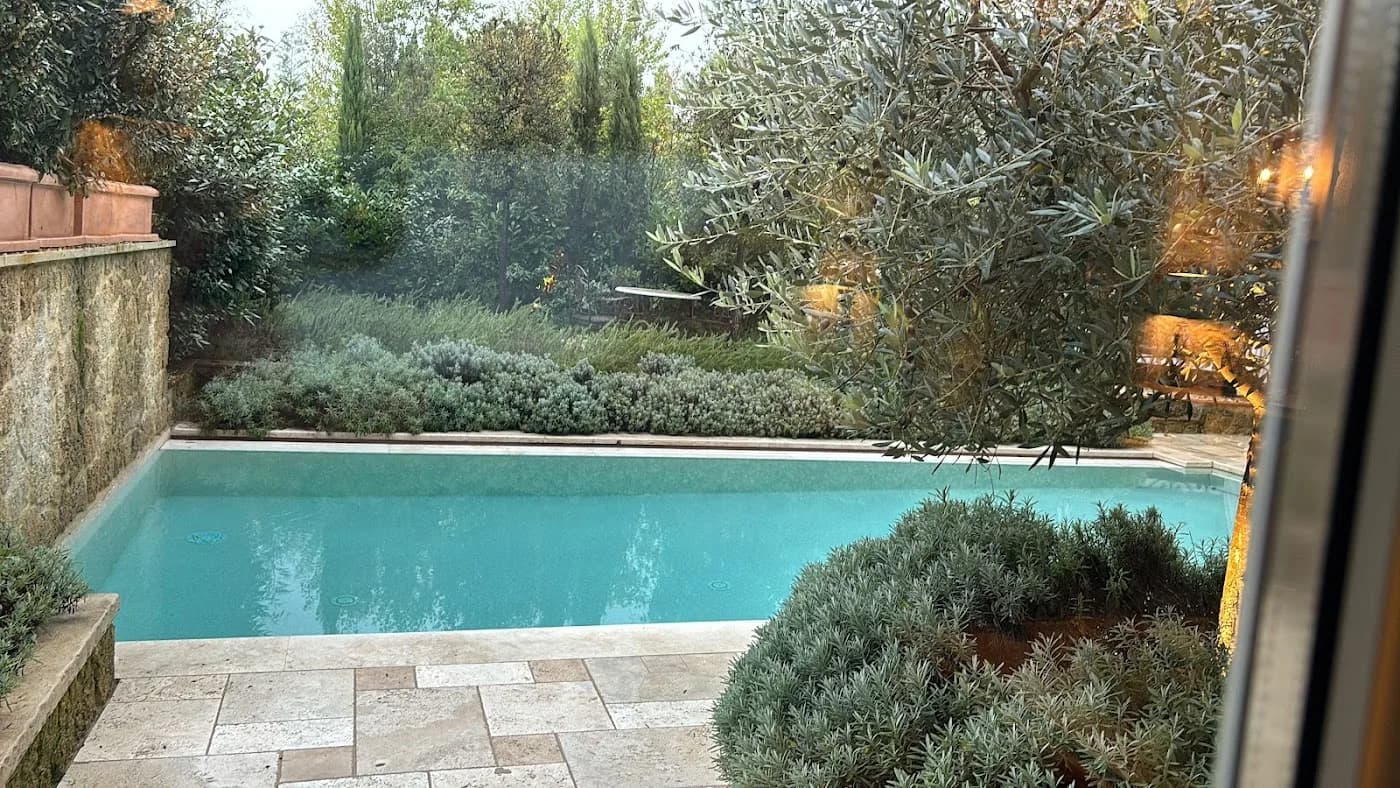
Borgo Santo Pietro
italy, italy · 5★
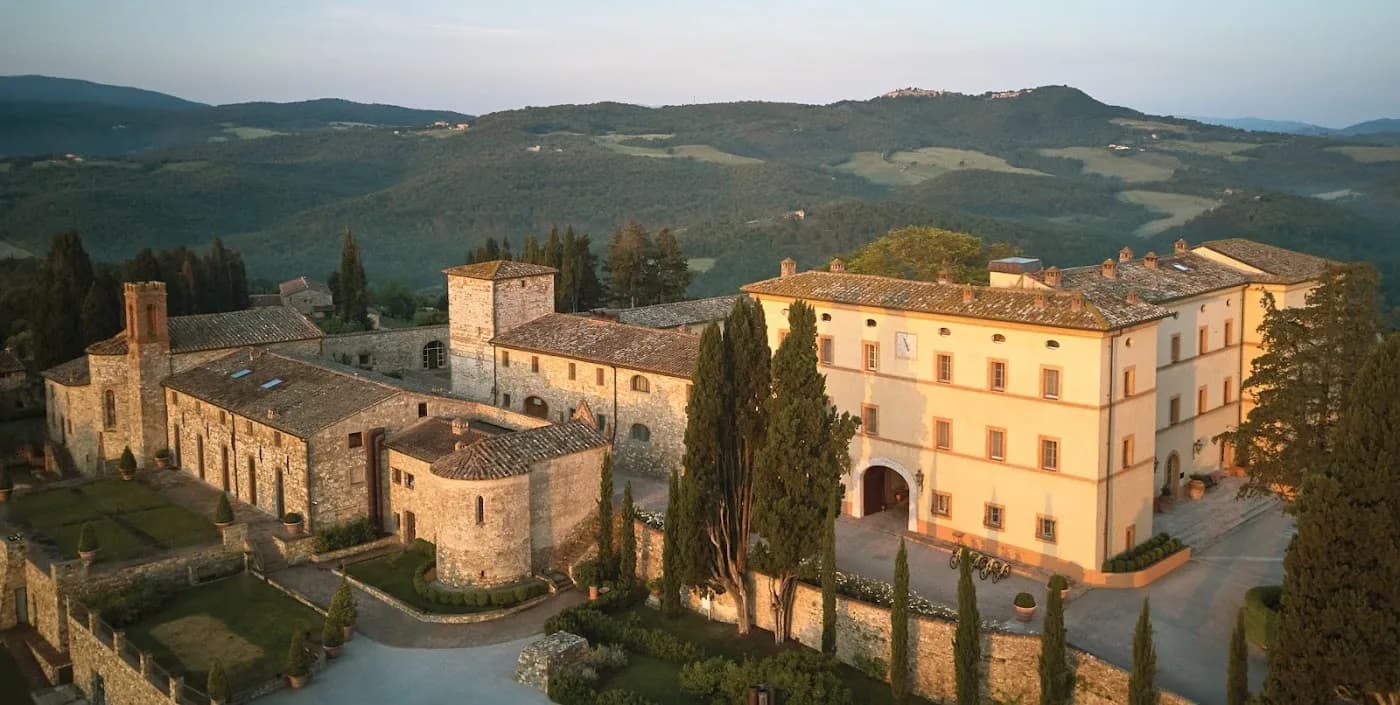
Castello di Casole, A Belmond Hotel
tuscany, italy · 5★
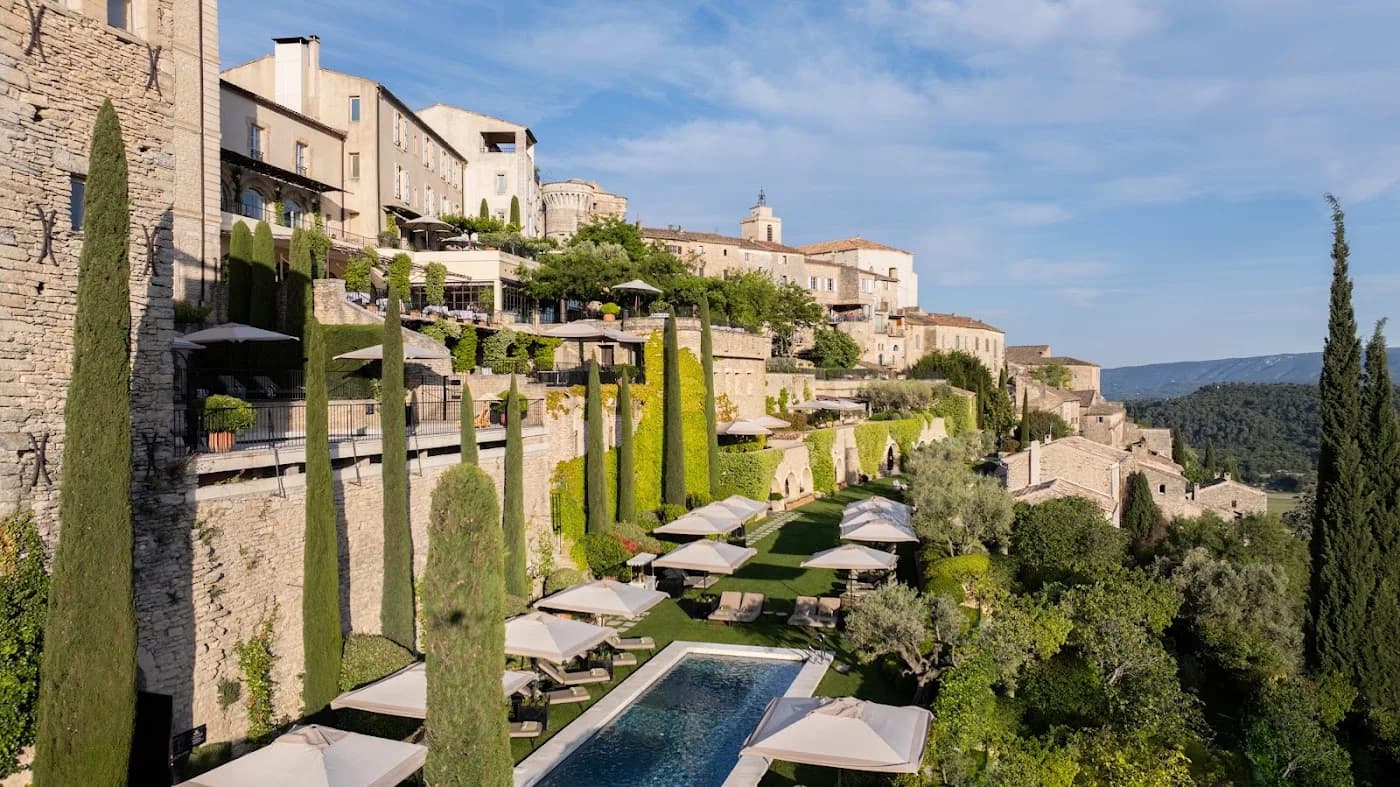
La Bastide de Gordes
provence, france · 5★
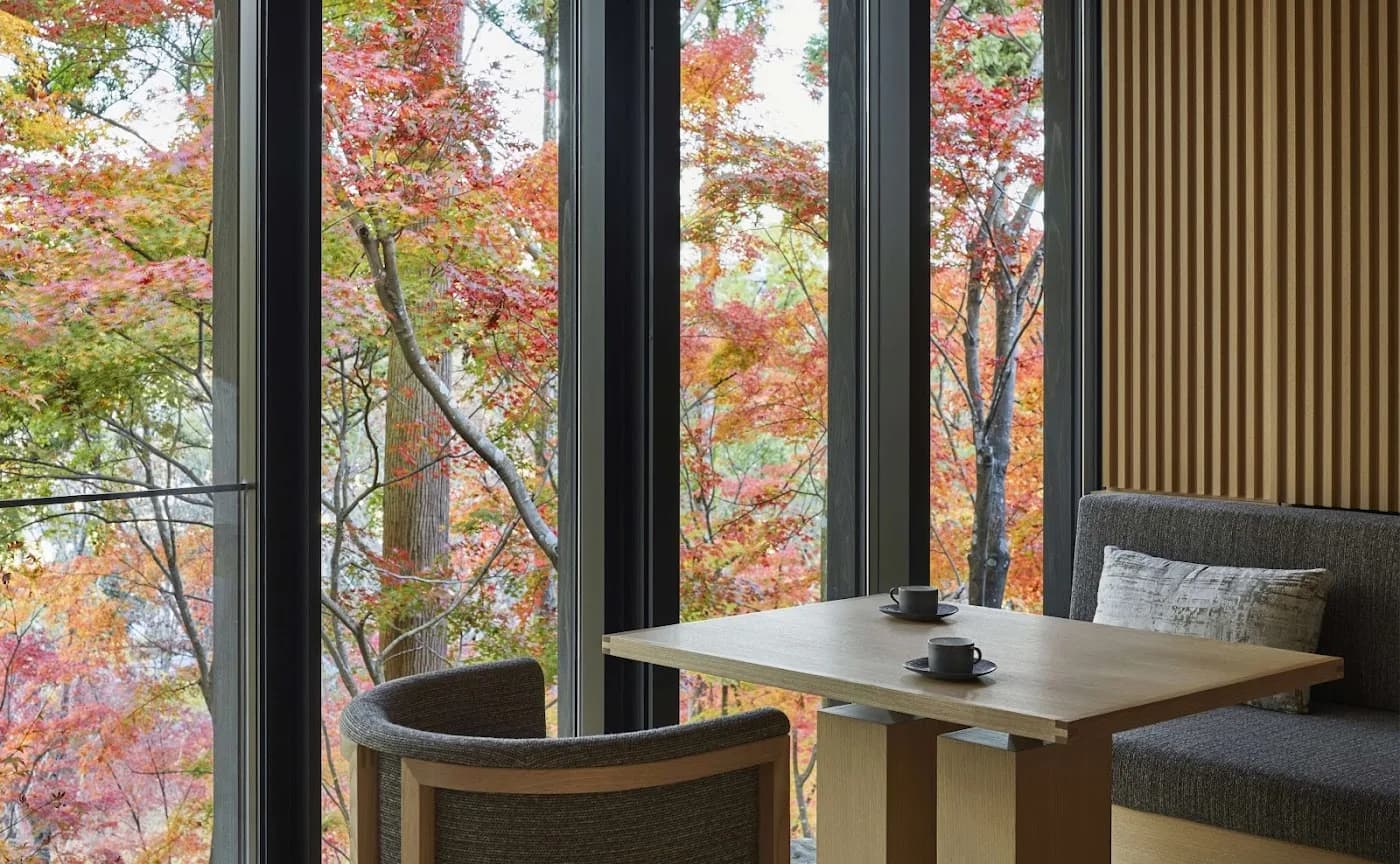
Aman Kyoto
japan, japan · 5★
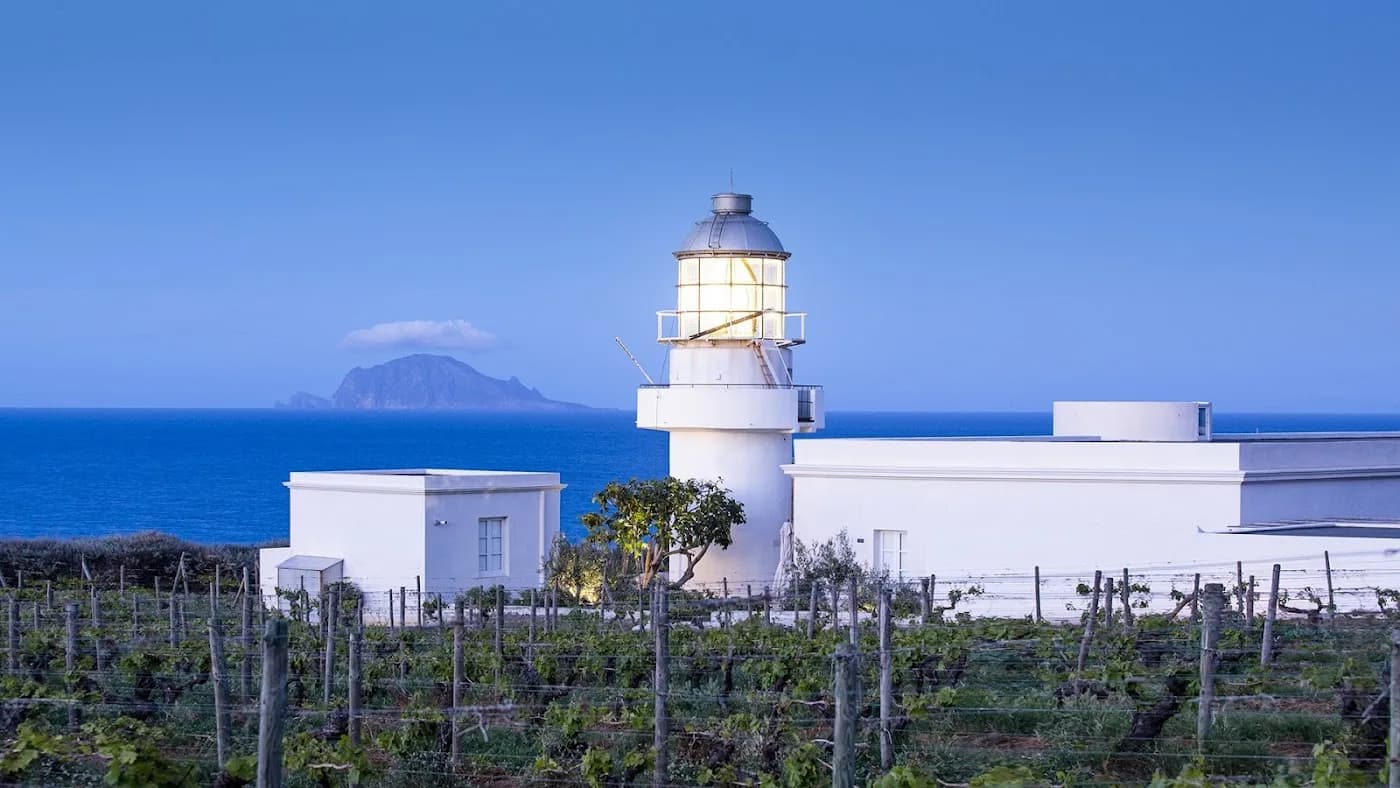
Capofaro Locanda & Malvasia
sicily, italy · 4★
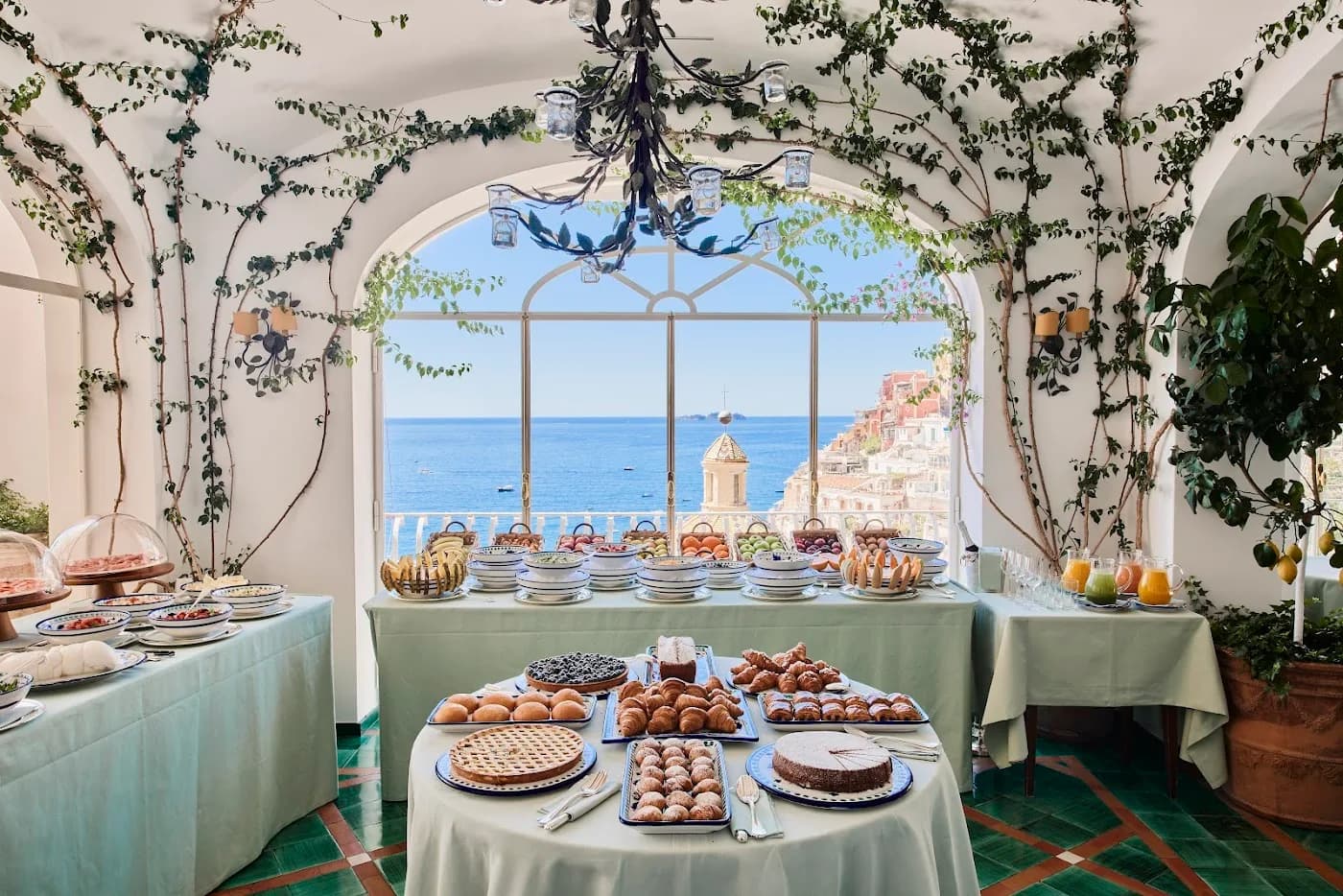
Le Sirenuse
italy, italy · 5★
Destination patterns that work
Tuscany — the everyday standard
Borgo Santo Pietro and Castello di Casole anchor the Sienese hills. The pattern: long lunches at the property, an afternoon at a winery (Avignonesi, Castello di Ama, Antinori), an off-property dinner at Osteria di Passignano or La Bottega del 30. You don't need three Michelin stars when the trattoria three kilometres from your hotel cooks better pici than 90% of starred restaurants. Pair Tuscany with two nights in Florence at the end (Villa Cora) for the museum-and-Sant'Ambrogio-market closer.
Provence — the rosé and market run
La Bastide de Gordes sits at the centre of the Luberon. Saturdays at the Apt market, Mondays at Bedoin, Tuesdays at Vaison-la-Romaine — the market schedule is the itinerary. Domaine de Manville for the alternate base. Dinner at La Coquillade's L'Aupiho (one Michelin star) or the village restaurants of Lourmarin and Roussillon. The honest foodie advantage of Provence over Tuscany: shorter distances between great meals and a deeper wine programme at the property level.
Sicily and Tokyo — the underweighted options
Capofaro on Salina, in the Aeolian islands, is one of the most underrated foodie hotels in Europe — a working Malvasia vineyard with rooms, where the chef cooks from the kitchen garden and the boat from Milazzo is part of the honeymoon. Tokyo via Aman Kyoto pairs the two strongest food cities on earth: a Kyoto kaiseki at Hyotei or Kikunoi, then the shinkansen to Tokyo for omakase at Sushi Saito's reachable cousins (Sushi Yoshitake, Sushi Sho). Skip Kyoto's hyped one-meal restaurants in favour of staying somewhere where the room food is itself the event.
The Amalfi coast and Lyon — the one-meal anchors
Le Sirenuse in Positano holds a Michelin star at La Sponda and the breakfast on the terrace is itself worth a flight. Pair with a day-trip down the coast to Don Alfonso 1890 (two stars) for the single splurge dinner. For European couples, Lyon is the most under-considered foodie honeymoon city in the world — Paul Bocuse's heritage, a market called Les Halles that is the actual reference, and weekend rates at the Cour des Loges that are half the equivalent in Paris.
More destinations to consider
Wine, hilltop villages, Renaissance art — the most romantic agriturismo honeymoon in Europe.
Truffle hunts, Borgo Santo Pietro kitchen, the Val d’Orcia harvest table.
Explore Tuscany →Cherry blossoms, private onsen, and ryokan dinners — the world's most refined honeymoon culture.
Kaiseki in Kyoto, sushi in Tokyo, Naoshima's art-and-food retreats.
Explore Japan →Positano, Ravello, Amalfi — the most romantic coastline in Europe, period.
Don Alfonso, Le Sirenuse Champagne Bar, lemon-grown-yesterday lunches.
Explore Amalfi Coast →Lavender, ochre villages, rosé, and the highest density of Michelin stars per square kilometre — France's most romantic countryside.
Markets at Saint-Rémy, Domaine de Manville's kitchen garden, Bandol rosé at source.
Explore Provence →From Phuket's turquoise bays to Koh Samui's palms — Southeast Asia's ultimate luxury beach destination.
Bangkok's 50 Best restaurants, Phuket beach BBQ, cooking school at Six Senses Yao Noi.
Explore Thailand →Live prices for foodies
See current rates across the destinations and properties tuned for this style.
What to skip
Skip the Maldives unless you are specifically going for the diving — hotel food in the Maldives is uniformly competent and uniformly the same, because every ingredient flies in from Sri Lanka or Singapore. Skip Bora Bora for the same reason; the food is the weakest part of the trip. Skip the all-inclusive Caribbean for any foodie honeymoon — the model selects for volume, not provenance. Skip the 'foodie tour' resort packages that promise three tasting menus in three days; you'll eat better and be less tired with one signature dinner and four trattoria lunches. And skip the wedding cake reflex of booking a Michelin-three in the destination capital — the meal that lives in honeymoon memory is almost never the most expensive one.
The honest take
A foodie honeymoon works when the destination's food culture is the everyday — not the event. Pick the region where you'd want to eat lunch even if you weren't on honeymoon, pick the hotel whose own kitchen earns its keep, and limit the splurge meals to one or two. The Tuscan-villa-to-Florence pattern is the safest bet; the Sicily-and-Aeolians pattern is the romantic one; Lyon is the wildcard if you've already done Italy.
Related: find my hotel quiz · luxury honeymoon
Frequently asked questions
What's the single best foodie honeymoon destination?
Tuscany. The combination of property kitchens (Borgo Santo Pietro, Castello di Casole), wineries that take walk-ins, and a trattoria culture that operates at a higher floor than any other region makes it the lowest-risk choice. Provence is the close second; Sicily is the romantic dark horse.
Is Tokyo a real honeymoon destination or just a food trip?
It's a real honeymoon if you split it: 3 nights Kyoto at Aman Kyoto for the slow opening, then 3 nights Tokyo for the food and the city. Tokyo alone is too kinetic to be a 7-night honeymoon, but as the back half of a Japan trip it's the most reliable foodie city on earth.
Should we book Michelin-three restaurants in advance?
One, maybe. The honeymoon memory rarely belongs to the three-star tasting menu — it belongs to the trattoria where the owner brought you something off-menu because you said it was your honeymoon. Book one signature dinner (Le Sirenuse's La Sponda, Aman Kyoto's restaurant, Bocuse-era Lyon) and leave the rest open.
How do we pace a 7-night foodie honeymoon?
Two big meals a day is the ceiling — usually one long lunch and one short dinner. If the property's restaurant is great, eat there on arrival night (jetlag), the second night (full experience), and the last night (closure). Off-property the other four. More than that and the food becomes work.