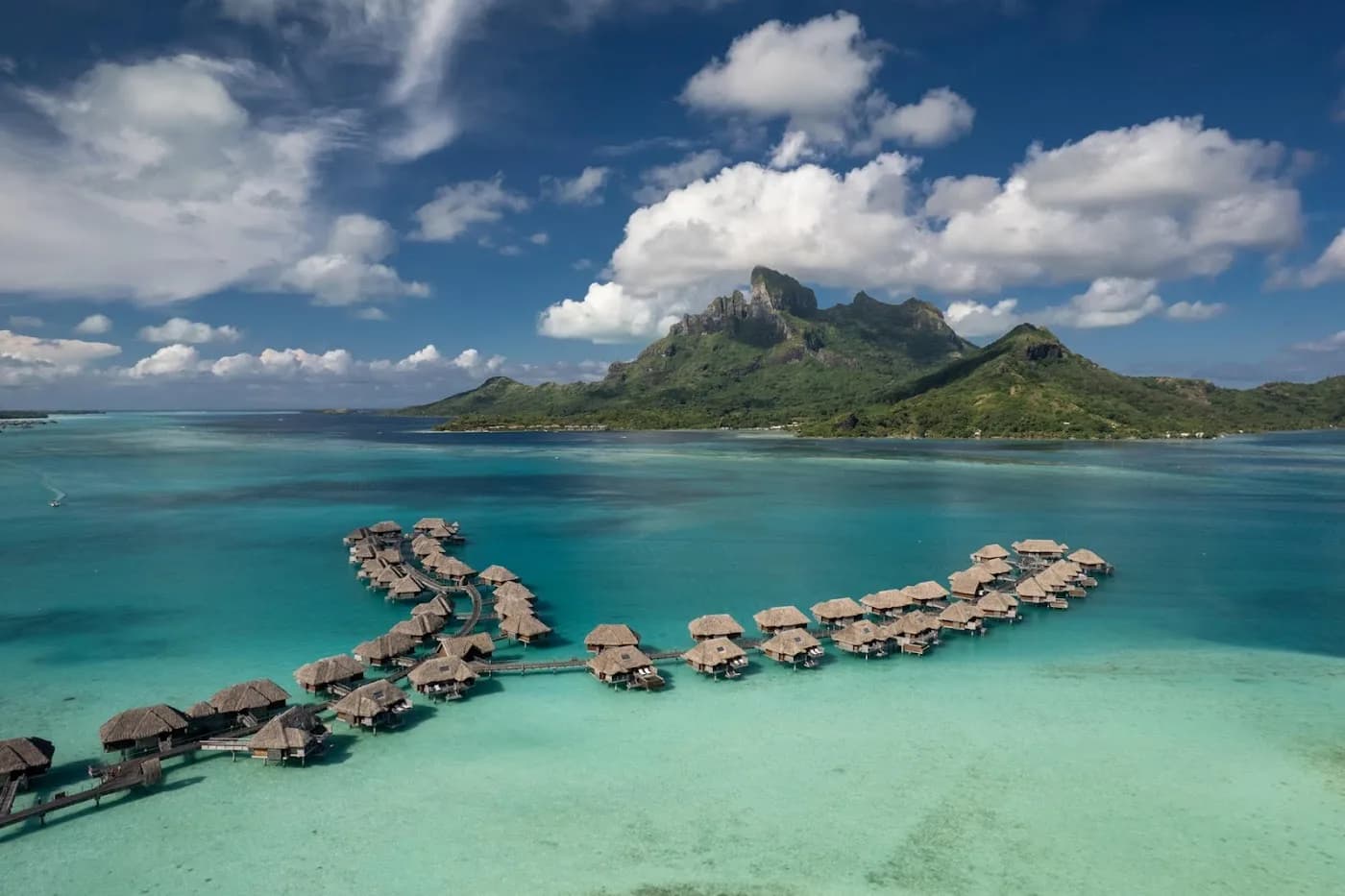
Planning Guide
How to choose your honeymoon destination.
The honest 2026 guide. A 7-question framework, eight honeymoon archetypes, three real case studies, and the takes Instagram will not give you. Pick a destination you will actually love, not the one your feed insists on.
This page is the one we wish someone had handed us when we started. It is not a listicle of "ten dreamy destinations" pulled from someone else's feed. It is a decision framework, tested over twelve years of honeymoon planning for ourselves and our readers, against the only criterion that matters: did the couple come home glad they picked the destination they did, or did they come home muttering "next time we should have gone to Mauritius instead." Most of the muttering is preventable. Read on.
If you also need the timeline (when to book what), the budget breakdown by tier, the packing list, and the insurance question, those are covered separately at how to plan a honeymoon. If you have already picked the season and want to know what is open and good in that month, see best time to honeymoon. This page is strictly about answering one question: which destination will you actually love?
The mistake most couples make
The destination is decided emotionally; the trip is then engineered backward to justify it.
Pierre Lambert, editor
The single most common honeymoon mistake is not flying the same day as the wedding (that is mistake number two). It is picking the destination from Instagram, then trying to make your budget, your wedding season, your flight tolerance, and your partner's actual preferences bend around a photo. The destination is decided emotionally; the trip is then engineered backward to justify it. The result, in our reader inbox at least once a week: a couple who paid $22,000 to discover that Santorini between July 15 and August 20 is a cruise-ship car park, that Maldives in May is daily storms, that Bali in January is monsoon, and that the iconic photo they chased exists for about ninety minutes per day, surrounded by tripods.
The fix is not to abandon dreaming. The fix is to dream second, after you have answered seven honest questions about who you actually are as a couple. Then the destination shortlist writes itself. Almost always there are three to five destinations that fit, not the one Instagram insisted on. One of them will still be a "dream" destination. It will just be the one that survives contact with reality.
The five most common consequences of Instagram-driven destination choice, in order of frequency in our inbox: arriving in monsoon and seeing two days of sun in ten; spending half the budget on flights you could not afford because nobody priced them before the deposit; landing in a destination where one partner is miserable because their preferences were never named; double-booking the wrong season because the photos were shot in March and you went in August; and most quietly painful, picking a destination so famous it cannot deliver the privacy and quiet the photos promised. All five are preventable. None of them are preventable by trying harder on Instagram.
The 7-question decision framework
Run through these seven questions with your partner, ideally on a quiet evening, ideally with a glass of something, ideally before you have looked at any photos at all. Each question filters the long list. By the end you will have a shortlist of three to five destinations that genuinely fit. Then look at the photos.
Q1. What is your honest budget?
Not the budget you wish you had, the budget that exists. Pick a ceiling that includes flights, hotels, food, transfers, activities, tips, and a 10 percent contingency. Three tiers honestly cover almost everyone:
- Comfortable, $8,000 to $12,000: Bali (Ubud plus a beach area), Greece (mainland plus a secondary island), Mexico (Riviera Maya all-inclusive plus Tulum), Cape Verde, Sicily, Mallorca. For the lowest end of this range, see our full guide at honeymoon on a budget.
- Premium, $15,000 to $25,000: Maldives water villa (single resort), East African safari (one camp plus Zanzibar), French Polynesia (Bora Bora plus Tahiti), Japan ryokan circuit, Italy (Amalfi plus Tuscany).
- Ultra, $30,000 and up: Private island in the Maldives or Fiji, Aman circuit (Tokyo plus Kyoto plus Niseko), Singita in the Serengeti, a French Polynesia plus New Zealand multi-stop, a Bhutan-by-helicopter route.
For destination-specific budget breakdowns, we maintain real-numbers cost pages: under $5k, under $10k, under $15k, under $20k, plus per-destination pages for the Maldives, Bali, Mexico, Turks and Caicos, the Bahamas, Barbados, and Cape Verde.
Ten volcanic islands, African-Portuguese soul, year-round sunshine
Under $10k tier
Explore Cape Verde →Infinite turquoise lagoons and flawless five-star service — the Indian Ocean's most polished honeymoon island.
$10k-$20k tier
Explore Mauritius →The world benchmark for overwater honeymoons. Private island, private lagoon, private world.
$20k+ tier
Explore Maldives →Q2. How many nights can you commit?
Time matters more than money on a honeymoon. A 5-night trip to the Maldives is a logistical insult to the destination: 36 hours of transit consume 30 percent of the trip. The honest brackets:
- Under 7 nights: stay regional. Italy or Greece from Europe, Mexico or Caribbean from the US, Bali or Thailand from Australia, Mauritius from South Africa. Long-haul under 7 nights is a tax on yourselves.
- 7 to 10 nights: one long-haul resort, single stop. This is the canonical Maldives, Bora Bora, Fiji, Seychelles honeymoon.
- 10 to 14 nights: two-stop long-haul. Safari plus beach (Tanzania plus Zanzibar), city plus resort (Tokyo plus Maldives), adventure plus relaxation (Patagonia plus Atacama).
- 14 nights or more: three stops maximum. More than three and you spend the honeymoon in airports. The exception is a single-country deep dive like a Bhutan circuit or a South Africa cross-country.
For duration-specific itineraries, see our 3-day, 5-day, 7-day, 10-day, and 14-day honeymoon planners.
Q3. How much travel time do you tolerate?
One of the most underestimated filters. A couple who finds a 5-hour flight uncomfortable should not book the Maldives from New York (16 hours plus a seaplane transfer). The honest tiers:
- Under 6 hours: from US east coast, the Caribbean and Mexico. From Europe, the Mediterranean and North Africa. From Australia, Bali, Fiji, New Zealand.
- 6 to 12 hours: from US east coast, Europe and northern South America. From Europe, the Maldives, Seychelles, East Africa. From the US west coast, Tokyo and Bora Bora.
- Over 12 hours: from the US, French Polynesia, Maldives, Seychelles, Bali, Australia. From Europe, Australia, French Polynesia, the Cook Islands, deep Pacific.
Premium economy or business class changes the calculus. A 16-hour flight in lie-flat business is a different experience from the same flight in economy. If the budget supports lie-flat one way (often achievable via points), do the long leg out and standard back, when fatigue matters less.
Q4. What season are you traveling?
Match the destination to your travel window, not the reverse. The fastest way to ruin a Maldives honeymoon is to book May because that is when your wedding is. The big windows:
- December to March: Maldives, Bali (dry), Thailand, Mauritius, Seychelles peak. Caribbean reliable.
- April to June: Mediterranean shoulder (the sweet spot), Japan cherry blossom, East African green season.
- July to August: French Polynesia, Iceland, Scandinavia, East African dry season, southern Africa winter (good for safari). Avoid Mediterranean unless you love crowds.
- September to November: Mediterranean shoulder again (the second sweet spot), Maldives shoulder, Patagonia opening, Galapagos shoulder.
For month-by-month destination matching, see our planner at best time to honeymoon, plus the per-month pages for January, February, March, April, May, June, July, August, September, October, November, and December.
Looking for May or June availability?
Mediterranean shoulder season is the sweet spot. Check live rates.
Q5. What energy do you want?
This is where most couples gloss. There are five honest honeymoon energies. Most couples can blend two; almost none can blend more than two in a single trip.
- Beach-and-spa: horizontal time, sun, water, massages, no schedule. Maldives, Bora Bora, Mauritius, Caribbean.
- Active: hiking, diving, exploring, varied days. Costa Rica, New Zealand, Hawaii, Bali (Ubud plus surf).
- Cultural: museums, history, food, walking cities. Japan, Italy, Portugal, Mexico City plus Oaxaca, Marrakech.
- Spiritual or wellness: retreats, ryokans, ayurveda, deep slow travel. Bhutan, Kerala, Bali Ubud, Hakone, certain Aman properties.
- Adventure: safari, glaciers, remote landscapes, expedition-level. East Africa, Patagonia, Iceland, Galapagos, Bhutan.
The classic two-blend honeymoons: safari plus beach, city plus resort, adventure plus relaxation, cultural plus beach. The classic mistake: trying to blend three or more, ending up with a 14-night trip in seven airports.
The world benchmark for overwater honeymoons. Private island, private lagoon, private world.
Beach + spa energy
Explore Maldives →Chile's wilderness honeymoon — Torres del Paine granite, glacier hikes, all-inclusive lodges, end-of-the-world skies.
Active energy
Explore Patagonia →The Island of the Gods — where Hinduism, rice terraces, and beach luxury coexist perfectly.
Spiritual energy
Explore Bali →Cherry blossoms, private onsen, and ryokan dinners — the world's most refined honeymoon culture.
Cultural energy
Explore Japan →Q6. How adventurous is your food and comfort baseline?
This question is rarely asked aloud and matters enormously. A tented camp in Botswana is a "luxury" experience but you sleep under canvas and shower in a bucket. A ryokan in Hakone is luxury but you sleep on a futon, dinner is a fixed kaiseki at 6:30, and there is no Western breakfast option. A jungle eco-resort in Bali is gorgeous but there are bugs in the open-air villa and a 4-hour drive from the airport.
If both partners are honest "comfort baseline high" travelers, lean toward overwater villas, Caribbean all-inclusives, the Mediterranean, and 5-star urban hotels in Tokyo or Paris. If one or both is "comfort baseline flexible," the world opens up: safari, jungle, ryokan, expedition cruise, all become viable. If you are mismatched on this axis, name it, and pick a destination that meets the higher baseline. The inverse (the comfort-baseline-high partner gritted teeth in a tented camp) is a common cause of post- honeymoon resentment.
Q7. Are you both first-time long-haul travelers, or veterans?
The most overlooked question of the seven. First-time long-haul travelers benefit enormously from destinations with English-friendly resorts, single-currency simplicity, predictable logistics, and one single hotel for the whole trip. The Maldives single-resort honeymoon is almost engineered for first- timers. So is Mauritius, St. Lucia, Bali Ubud-plus-Uluwatu, and the Riviera Maya all-inclusive.
Veterans can handle multi-stop itineraries with self-drive, language hurdles, and complex transfers. Patagonia plus Atacama, Bhutan plus India, Madagascar plus Reunion, and Japan plus Korea are all legitimate veteran honeymoons. If one of you is a veteran and the other is first-time, default to first- time-friendly. The veteran has done it before; the first-timer is doing it for the first time, on the most emotionally loaded trip of their life so far.
The 8 honeymoon archetypes
Once you have run the seven questions, your answers map almost cleanly to one of these eight archetypes. Each is a real, established honeymoon pattern, with its honest cost range, the resort that defines it, and the couples it is wrong for. We have linked to the dedicated pillar where relevant.
Overwater island paradise
The canonical honeymoon image: glass-floor villas, turquoise lagoon, total horizontal time.
Who it is for
First-time long-haul couples who want THE photo, 7 to 10 nights of zero decisions, and the most romantic possible "we did it" feeling.
Who should skip
Active couples who get restless after 48 hours of sun. Couples on a sub-$10k budget (water villas start at $1,500 per night minimum).
Destinations
Maldives, Bora Bora, Fiji
Flagship
Soneva Jani (Maldives) for first-timers, Four Seasons Bora Bora for the iconic French Polynesia experience
Caribbean beach classic
White sand, palm trees, rum at sunset, all-inclusive ease, easy flights from North America.
Who it is for
US east-coast couples who want a 5-hour flight, a beach within 50 metres of the room, and a fixed price for the whole week.
Who should skip
Couples sensitive to hurricane risk (June to November is a lottery). Anyone who finds buffets unromantic.
Destinations
St. Lucia, Antigua, Turks and Caicos, Barbados
Flagship
Jade Mountain in St. Lucia for the architectural drama, Jumby Bay for Antigua privacy
Mediterranean shore and village
Cliff hotels, lemon trees, Aperol at golden hour, walkable villages, food culture as foreplay.
Who it is for
European couples, US foodie couples on a 10-day Italy or Greece arc, anyone who finds beach-and-sit boring after 3 days.
Who should skip
July and August travelers (heat, crowds, cruise ships). Couples who need a private pool every day.
Destinations
Amalfi Coast, Santorini, Mallorca, Sicily, Mykonos
Flagship
Hotel Caruso in Ravello, Grace Hotel Santorini
European countryside
Vineyards, slow food, drives between chateaux, rose gardens, no agenda beyond the next lunch.
Who it is for
Couples who consider the meal the activity. Anyone who wants a self-drive, no-airport-in-the-middle, fully analog week.
Who should skip
Beach lovers, anyone who needs a pool every afternoon, first-time travelers who want hand-holding.
Destinations
Tuscany, Provence, Loire Valley, The Cotswolds
Flagship
Castello di Casole in Tuscany, La Bastide de Gordes in Provence
African safari
Dawn game drives, sundowners 50 metres from elephants, total disconnection, the most "this changed us" honeymoon on offer.
Who it is for
Couples whose first instinct is adventure not relaxation. Anyone who can handle 5:30am wakeups for an elephant family. Combine with 3 to 5 nights on Zanzibar or in Cape Town.
Who should skip
Couples who consider WiFi a baseline need. Anyone who finds bugs deal-breaking.
Destinations
Kenya, Tanzania, Botswana, South Africa, Namibia
Flagship
Singita Sasakwa (Tanzania), Mombo Camp (Botswana)
Asian spiritual and boutique
Slow rituals, kaiseki dinners, jungle pools, temples at dawn, a destination that quietly reorganizes you.
Who it is for
Couples who want depth not just photos. Repeat travelers who already did the obvious destinations. Anyone in a transitional moment (second marriage, post-pandemic priorities reset).
Who should skip
Couples who want a beach-only trip. First-time long-haulers who find cultural immersion stressful.
Destinations
Bali (Ubud), Bhutan, Kerala, Sri Lanka, Japan
Flagship
Amankora circuit in Bhutan, Aman Kyoto, Como Shambhala Bali
Latin American adventure
Glaciers, condors, salt flats, vineyards, the Galapagos, two-stop arcs that feel like three trips.
Who it is for
Veteran travelers, couples who already did the Maldives, anyone who finds a passive honeymoon depressing.
Who should skip
First-time long-haulers, couples who want zero logistics, anyone with altitude sensitivity.
Destinations
Peru (Sacred Valley plus Machu Picchu), Patagonia, Atacama, Galapagos, Colombia (Cartagena plus coffee region)
Flagship
Explora Patagonia, Tierra Atacama, Inkaterra Machu Picchu
Cold-weather northern lights
Aurora at 1am, glass-roof igloos, fjords, hot springs after sub-zero hikes, romance with mittens.
Who it is for
Couples who hate tropical heat, anyone marrying in summer who wants the opposite season for the honeymoon, repeat travelers seeking the dramatic opposite.
Who should skip
Anyone who needs swimming as part of "honeymoon." Couples already cold-averse.
Destinations
Iceland, Finnish Lapland, Norway (Lofoten or Tromso), Swedish Arctic
Flagship
Deplar Farm (Iceland), Kakslauttanen Arctic Resort (Finland)
The 5 common deal-breakers and how to handle them
1. One partner wants beach, the other wants city
This is the most common single disagreement we see, and the easiest to solve. Run a two-stop. The classic arcs: 4 nights Tokyo plus 7 nights Maldives, 3 nights Cape Town plus 6 nights safari plus 4 nights Zanzibar, 4 nights Buenos Aires plus 6 nights Patagonia, 5 nights Mexico City plus 5 nights Riviera Maya. The beach person gets their week; the city person gets their cultural fix; nobody compromises into a destination that satisfies neither.
Cherry blossoms, private onsen, and ryokan dinners — the world's most refined honeymoon culture.
Tokyo for the city stop
Explore Japan →The world benchmark for overwater honeymoons. Private island, private lagoon, private world.
The beach reward
Explore Maldives →Chile's wilderness honeymoon — Torres del Paine granite, glacier hikes, all-inclusive lodges, end-of-the-world skies.
Adventure pairing
Explore Patagonia →Tulum, Mayakoba, Cancún — Caribbean luxury meets Maya jungle and cenote-blue water.
Mexico City + beach combo
Explore Riviera Maya →2. Budget gap between expectations and reality
One partner wants the Soneva Jani water villa, the other knows the budget is $12,000. The honest conversation is which compromise hurts least. Three options, in order of impact. First, downgrade the hotel tier within the dream destination (Maldives garden villa at a 4-star resort delivers 80 percent of the Maldives experience at 40 percent of the cost). Second, shift the dream destination by one season (Maldives late April rather than January, Caribbean early June rather than February). Third, swap the destination for its closest analog: Cape Verde for the Maldives feel at one-third the cost, Albania for Greek-island scenery, Sicily for Amalfi, Mauritius for Seychelles.
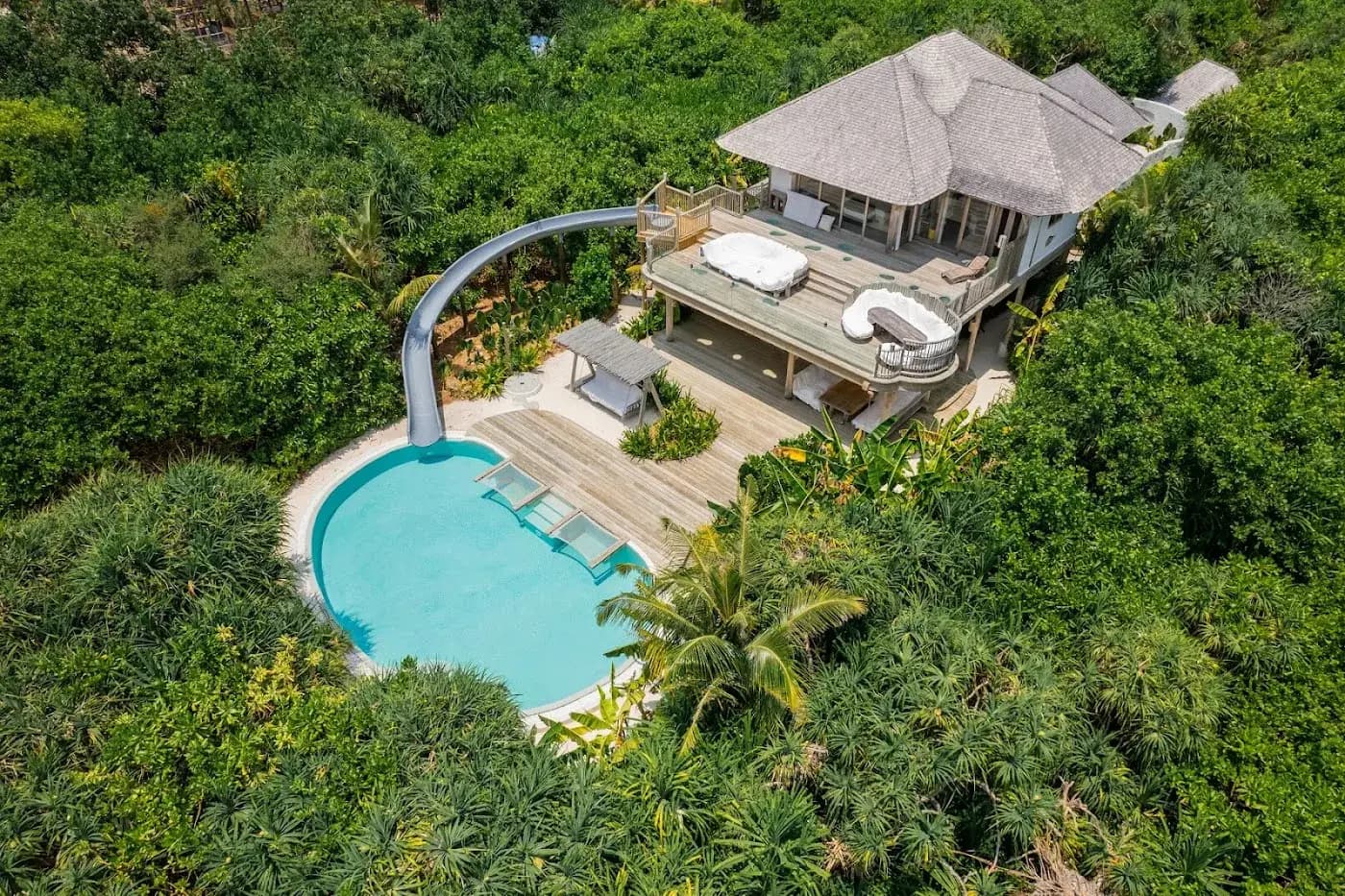
Soneva Jani
maldives, maldives · 5★
The aspirational target. $4k+/night.

Hyatt Regency Cabo Verde
cape verde, cape verde · 5★
The smart compromise. $400/night. Same overwater vibe at 1/10th the cost.
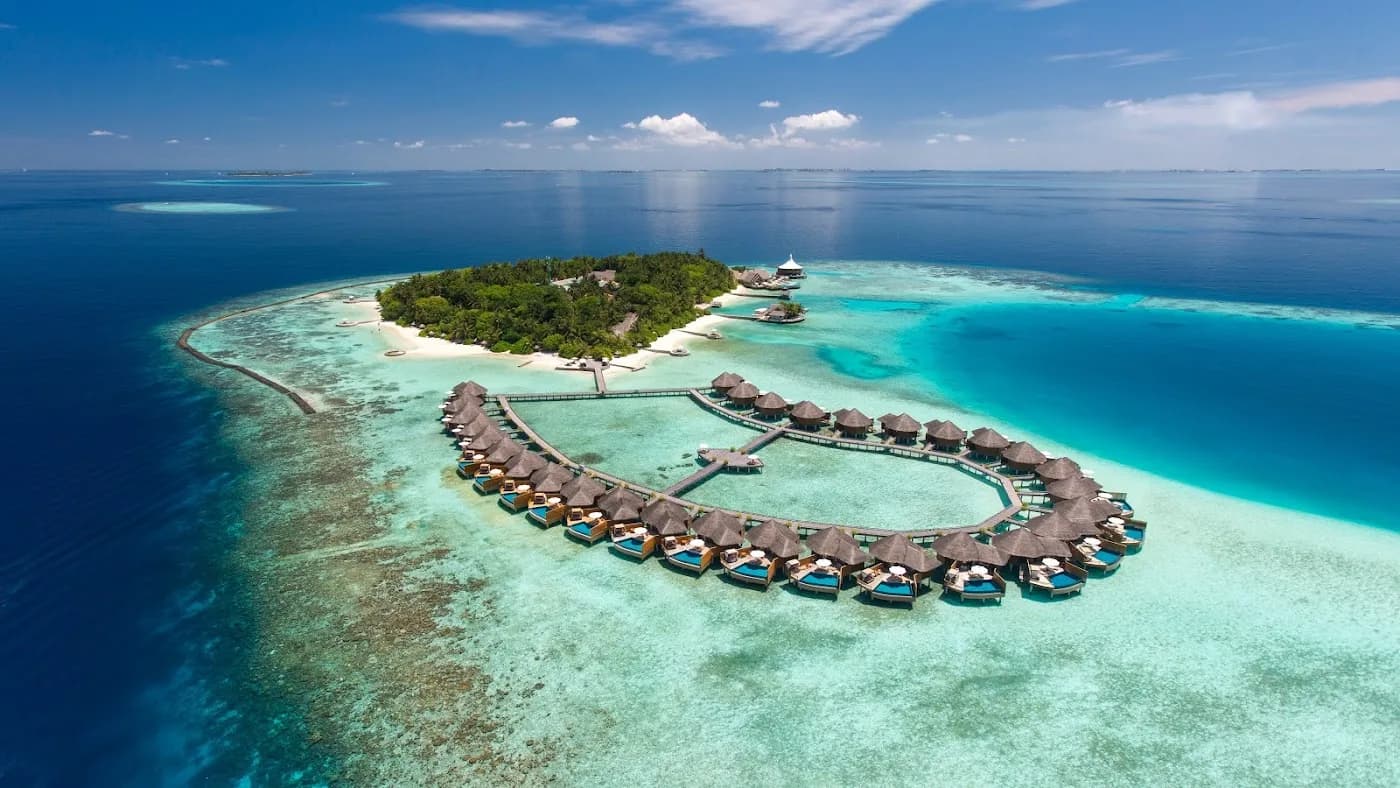
Baros Maldives
maldives, maldives · 5★
Garden villa entry tier. $600-900/night. 80% of the Maldives experience.
Ten volcanic islands, African-Portuguese soul, year-round sunshine
Maldives feel, 1/3 the cost
Explore Cape Verde →The romance Italy forgot to gentrify — cliffside Belmonds in Taormina, volcanic islands, the food story of Europe.
Amalfi alternative
Explore Sicily →Infinite turquoise lagoons and flawless five-star service — the Indian Ocean's most polished honeymoon island.
Seychelles alternative
Explore Mauritius →3. One partner does not like long flights
Short-haul honeymoons are real honeymoons. The Mediterranean (Amalfi, Mallorca, Crete) from Europe. The Caribbean (Antigua, Turks and Caicos, St. Lucia) from the US east coast. Bali from Australia. Cape Verde from western Europe (5.5 hours, no jet lag, water villa vibes). Mexico from anywhere on the continent. None of these are second-best. They are different.
Positano, Ravello, Amalfi — the most romantic coastline in Europe, period.
Short hop from Europe
Explore Amalfi Coast →365 beaches, one for every day of your honeymoon
Short hop from US east coast
Explore Antigua →The Island of the Gods — where Hinduism, rice terraces, and beach luxury coexist perfectly.
Short hop from Australia
Explore Bali →Ten volcanic islands, African-Portuguese soul, year-round sunshine
5.5 hours from western Europe
Explore Cape Verde →4. Visa, passport, or paperwork constraints
Some destinations need 6 to 12 weeks of paperwork (Bhutan visa, India e-visa with biometric, Russia, parts of Africa, Brazil for some passports). Some need vaccines (yellow fever for certain African destinations needs 10 days minimum to take effect). Some need a passport valid 6 months past return with two blank pages. Audit this before you fall in love with the destination. The number of couples who deposit non-refundable on a destination they cannot actually enter on time is non-zero.
Need a visa-free destination right now?
Mexico, the Caribbean, and most of Europe are visa-free for US/UK/EU passports.
5. Season mismatch with your wedding date
Your dream destination has a wrong season. Three honest options. First, accept the wrong season at a 30 to 50 percent discount and engineer the trip around it (Maldives in May, accept the storms, choose a resort with strong indoor amenities). Second, pick the "second-best window" where the destination still works at 70 percent quality: Maldives late April, Caribbean early June, French Polynesia early November. Third, defer the honeymoon by 3 to 6 months. A delayed honeymoon at the right season beats a perfect-date honeymoon in monsoon, every time.
Maldives shoulder season picks: check availability
By honeymoon personality
Beyond the seven-question framework, here are four personality types with concrete destination guidance. Each links to our dedicated persona pillar with a longer list.
The foodies →
Pick a destination where the meal is the activity, not an interruption. Japan (Tokyo plus Kyoto plus a kaiseki ryokan), Northern Italy (Bologna, Modena, the Langhe), Lyon plus Burgundy, San Sebastian plus Rioja, or Mexico City plus Oaxaca. Avoid all-inclusives: they cap your food ceiling at the buffet, and a foodie honeymoon needs reservations, not lanyards.
The introverts →
Pick destinations where the property is the destination. Private islands in the Maldives or Seychelles, secluded ryokans in Hakone or Kanazawa, a Bhutan circuit where you barely see other guests, or a Patagonian estancia where staff outnumber visitors. Avoid Santorini in summer, Bali Seminyak, and any all-inclusive over 200 keys.
The adventure seekers →
Pick a destination where the activity menu is dense and varied. Costa Rica (jungle plus volcano plus beach), New Zealand (south island self-drive), Patagonia (glaciers plus hiking plus W-trek-light), Iceland (waterfalls plus aurora plus glacier), or an East African safari plus Zanzibar. The honeymoon equivalent of resting is moving.
The over-40 couples →
You have done the obvious destinations. Skip the entry-level Maldives, the Santorini sunset crowd, the Tulum scene. Lean into depth: Aman properties in Japan, Singita in the Serengeti, an Aman Tokyo plus Hoshinoya Kyoto plus Park Hyatt Niseko triple, a Cape Town plus winelands plus safari arc. Less Instagram, more "this changed how we think about travel together."
The 5 questions to ask each other before booking
Before you place a deposit, sit down with your partner with no laptop, no phone, no inspiration board. Ask each other these five questions. The answers surface preferences and dealbreakers that no destination short list can predict.
- If we did this trip and one of us hated three days of it, which three days would each of us be willing to absorb? The honest answer reveals tolerances. If neither partner would absorb a 4-hour transfer day, scratch destinations with long transfers. If one partner would not absorb a 5am wakeup for game drives, safari is out.
- What did each of us love most about the best trip we took together so far, and what part of that should the honeymoon repeat? Honeymoons that ignore prior shared travel highlights tend to underperform. The trip you both loved is data.
- What is one thing each of us would never tell a travel advisor, but is true? Often surfaces real preferences: "I get anxious in markets," "I cannot sleep in rooms with shared walls," "I get seasick on small boats." Plan around these.
- What is the photo we want to come home with? And then: what trip would deliver that photo and twelve other things we love? Useful inversion of the Instagram problem. Use the photo as a tag, not as the brief.
- If we had half the budget, what destination would we pick instead? The answer often reveals what the destination is actually for. If "half budget" lands you somewhere genuinely appealing, the original destination may have been a flex, not a fit.
Three real case studies
Three couples we have worked with (details and names composited and changed for privacy). The decisions they ran through the seven-question framework. The destinations the framework actually produced.
Case A: Brooklyn couple, $8,000 budget, 7 nights, first long-haul
Mia and Daniel, both 31, marrying in October. $8,000 ceiling for the honeymoon. Both anxious about multi-stop logistics. Neither has flown over 8 hours before. Dream destination: Maldives. Budget reality: no. The framework filters that hard. Q1 (budget): $8k. Q2 (nights): 7. Q3 (flight tolerance): under 10 hours. Q4 (season): late October. Q5 (energy): beach plus spa, light cultural. Q6 (comfort baseline): high. Q7 (experience): first long-haul.
The shortlist the framework produced: Cape Verde (Sal or Boa Vista), Greece (Crete or Naxos late season), Mexico (Riviera Maya all-inclusive). The pick: Cape Verde, 6 hours from JFK via Lisbon, water villas at a fraction of Maldives cost, late October still beach weather. They booked Pestana Tropico in Praia for the city anchor and a beachfront pousada on Boa Vista for 5 nights. Total spend including flights: $7,400. They came home glad they had not chased the Maldives photo at twice the price. See our full Cape Verde honeymoon cost guide.
Case B: $25,000 budget, 12 nights, both seasoned travelers
Ana and Tom, mid-thirties, marrying in November. $25,000 ceiling. Both have done the obvious destinations (Bali, Thailand, Mexico, Italy). Neither wants a beach-only trip. Both fluent in two stops. Q1: $25k. Q2: 12 nights. Q3: long-haul fine. Q4: late November. Q5: adventure plus relaxation. Q6: comfort baseline flexible. Q7: veteran.
The framework produced: Patagonia plus Atacama (their summer is your winter, perfect November timing), East African safari plus Zanzibar, Japan in autumn foliage, Bhutan circuit. The pick: Patagonia plus Atacama. 5 nights at Explora Patagonia (full-board hiking lodge), 5 nights at Tierra Atacama (full-board high-desert), 2 nights Santiago at the front and back. Total spend including business-class on points one way: $24,800. They came home with the trip the safari-plus-beach version would not have delivered: actual exhaustion, glaciers at sunrise, salt flats at moonrise, and two destinations neither would have picked alone.
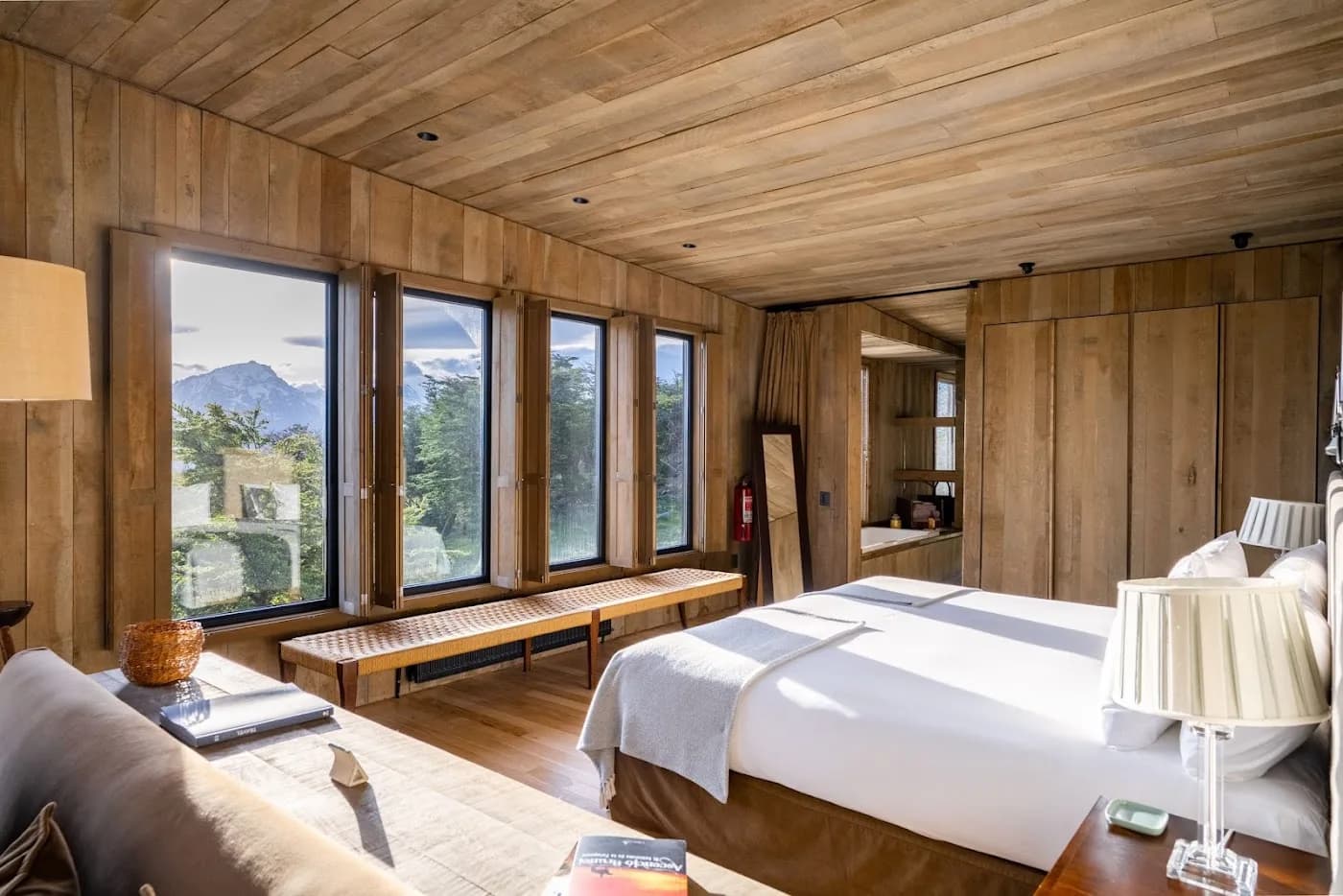
Case C: $50,000 budget, 14 nights, both 45-plus, second marriage
Helen and James, both 47, marrying in late February (her wedding ten months prior was the first). Both have done the Maldives, Bora Bora, Tuscany, Provence, Japan once. Both want depth and a destination that "earns it." $50,000 budget. Q1: $50k. Q2: 14 nights. Q3: long-haul fine. Q4: late February (their summer chase, our winter). Q5: cultural plus wellness plus light adventure. Q6: high comfort baseline (no buckets, no shared walls). Q7: deep veterans.
The framework produced: Aman Tokyo plus Hoshinoya Kyoto plus Park Hyatt Niseko (Japan deep cut, with Niseko skiing for February). Singita Sasakwa plus Cape Town plus winelands (Africa deep cut). Bhutan circuit with Aman five-property arc. The pick: the Japan triple. 4 nights Aman Tokyo, 4 nights Hoshinoya Kyoto (with day trips to Nara and Osaka), 4 nights Park Hyatt Niseko skiing, 2 nights Tokyo on the return. Business class round-trip. Total spend: $48,400. They came home, in their own words, with the sense that "the second wedding was a celebration; the honeymoon was the actual statement." That is what $50k buys when it is spent precisely.
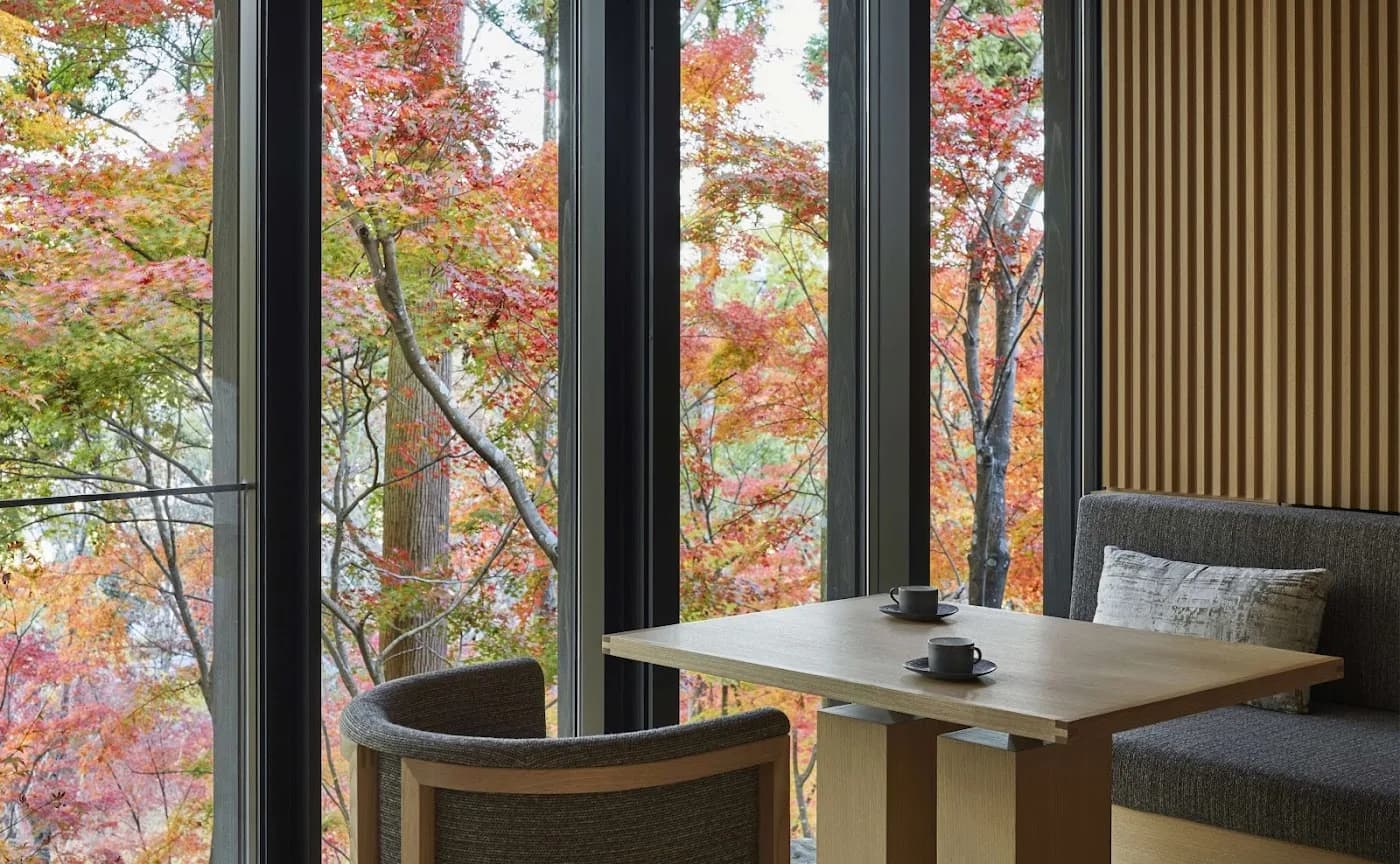
The honest take on Instagram-driven destinations
The iconic photo they chased exists for about ninety minutes per day, surrounded by tripods.
Pierre Lambert, editor
Five destinations whose Instagram representation diverges most from reality, in our experience. Worth naming because they account for a disproportionate share of post-honeymoon disappointment.
Santorini in July and August. The caldera photos are real. The 4pm cruise-ship dump of 12,000 day-trippers into Oia is also real. From roughly 10am to 6pm in high season, the famous villages are inaccessible. The honeymoon-friendly Santorini exists in May, late September, and October. Or at one of the few cliff-hotels (Grace, Canaves Oia, Katikies) with a private pool you do not leave.
Bali Seminyak in dry season. The honeymoon Bali exists. It is not in Seminyak. It is in Ubud (rice terraces, ritual, jungle villas) plus Uluwatu (cliff hotels, sunset, surf). Seminyak in July is beach clubs, traffic, and a different demographic than the photos suggest.
Maldives in May to October. Daily storms for 30 to 60 percent of days. Overwater villa experience degrades in heavy rain (the iconic glass-floor scene assumes sun). The Maldives is November to April for first honeymoons. Shoulder is real but optional.
Bora Bora as the photo only. The single iconic shot (Mount Otemanu from a water villa) is real and is delivered roughly 70 percent of mornings. The rest of the trip is one resort, one lagoon, one view. Couples who want variety often regret single-resort Bora Bora and wish they had paired it with Tahiti or Moorea. Two-island arcs for French Polynesia almost always win.
Tulum. What was a quiet beach town five years ago is now jungle-chic, photogenic, and severely traffic-congested. Roads are bad, beach erosion is significant, and the scene is more demanding than the photos suggest. The honest Yucatan honeymoon often pairs Tulum (2 nights) with Holbox or Isla Mujeres (5 nights) for the quiet promised in the photos.
Decision tree summary
The fastest way to convert the framework into action. Read top to bottom; stop at the first line that fits you.
- 1
Budget under $10k? Cape Verde, Bali (Ubud plus Uluwatu), Riviera Maya all-inclusive, Greek-island secondary (Milos, Folegandros, Naxos), Sicily.
- 2
Budget $10k to $20k? Maldives garden villa, St. Lucia (Jade Mountain), Tuscany plus Amalfi, Bali plus Komodo, Costa Rica jungle plus beach.
- 3
Budget $20k to $35k? Maldives water villa, French Polynesia (Bora Bora plus Tahiti or Moorea), East African safari plus Zanzibar, Japan ryokan circuit.
- 4
Budget $35k+? Singita Sasakwa plus Cape Town, Aman Tokyo plus Aman Kyoto plus Park Hyatt Niseko, private-island buyout in Fiji, Soneva Jani water-villa-with-slide.
- 5
Hate flying long-haul? Mediterranean (Amalfi, Santorini, Mallorca), Caribbean from east coast (St. Lucia, Antigua, Turks and Caicos), Mexico (Riviera Maya, Tulum), Iceland.
- 6
First-time long-haul? Maldives (single-resort), Mauritius, St. Lucia, Bali Ubud-plus-Uluwatu. Skip multi-country itineraries.
- 7
Seasoned travelers? Patagonia plus Atacama, Bhutan plus India, East Africa plus Zanzibar, Japan plus Korea.
- 8
Wedding in winter? Maldives (peak season), Caribbean, Bali, Thailand, Mauritius.
- 9
Wedding in summer? French Polynesia, Mediterranean, East African safari, Iceland, Patagonia (their winter is your summer).
Pricing the shortlist?
Once you have your shortlist of three to five destinations, our partner price-comparison opens every booking engine in one click. No commission impact on your price.
Frequently asked questions
▸ Frequently asked questions
How early should we book our honeymoon?
Lock the destination 9 to 12 months out, the hotel 6 to 9 months out, and flights at the 90-day mark. Maldives overwater villas, top safari camps, and Bora Bora bungalows for prime dates routinely sell out 9 months ahead. If you are inside 4 months and aiming at a premium destination, expect leftover dates, leftover rooms, and a 20 to 40 percent premium on flights.
Maldives or Bora Bora for our first honeymoon?
Maldives if you want short transfers, multiple resort styles, and the most overwater-villa options on earth (more than 130 resorts). Bora Bora if you want the single most iconic photo, fewer logistics, and shorter flights from the US west coast. Maldives wins on value and choice; Bora Bora wins on instant recognition. Both are honest first-honeymoon choices.
Is it okay to go all-inclusive on our honeymoon?
Yes. Adults-only all-inclusive at the right property (Excellence Playa Mujeres, Sandals Royal Curacao, Couples Tower Isle) often beats a 5-star a-la-carte resort on cost-to-romance ratio. The trap is the budget all-inclusive where buffets get repetitive after night five. Pick adults-only, multiple a-la-carte restaurants on site, and premium liquor included. See our full take at /all-inclusive-honeymoon.
Should we use a travel advisor?
For trips over $20,000, or anything involving the Maldives, Bora Bora, multi-leg safaris, or French Polynesia, yes. A Virtuoso or Four Seasons Preferred Partner advisor gets you free breakfast, $100 hotel credit, room upgrades, and early check-in at zero cost to you (the hotel pays them). For straightforward Europe or Caribbean trips under $10,000, booking direct or via Hotels.com is fine.
How do we agree if we want completely different things?
Run a two-stop itinerary. The classic compromises: beach person plus city person becomes 4 nights Tokyo plus 7 nights Maldives, or 3 nights Cape Town plus 6 nights safari plus 4 nights Zanzibar. Adventure person plus relaxation person becomes 5 nights Patagonia plus 5 nights Atacama. Trying to find one destination that satisfies opposite preferences usually delivers a destination that satisfies neither.
What is the average US and UK couple spending on a honeymoon in 2026?
US median honeymoon spend in 2026 is roughly $6,500 for a 7 to 10 night trip, with the upper quartile at $14,000 and the top 10 percent over $25,000. UK couples spend slightly less on average (about £5,000) but skew toward Europe and Asia rather than long-haul tropics. Both medians have risen roughly 35 percent since 2019, driven by airfare and luxury-tier rate increases.
Best safe destination for indecisive couples?
St. Lucia, Italy (Amalfi Coast plus Tuscany), and Mauritius. All three deliver postcard scenery, easy logistics, multiple hotel tiers, varied activities, and almost no risk of regret. They are the honeymoon equivalent of ordering the second-best item on the menu: never the most exciting choice, always a solid one.
How do we balance the budget we have with the destination we dream of?
Three honest options. First, downgrade the hotel tier at the dream destination (a garden-villa at Soneva Jani beats a water-villa at a 3-star). Second, shift to a "second-best window" where the same destination costs 30 to 50 percent less (Maldives late April, Caribbean early June). Third, swap the destination for its closest analog at a lower price point (Cape Verde for the Maldives feel at one-third the cost, Albania for Greek-island scenery, Sicily for Amalfi). Almost never worth it: a half-day in your dream destination on a layover.
Still stuck? Two next steps
If you have run the framework and still cannot decide, the next two steps are useful. First, take our short quiz at the honeymoon quiz. It runs the seven questions in interactive form and outputs a ranked shortlist tied to specific hotels we score. Second, browse our destination atlas with the shortlist in mind, and read the destination page top to bottom before placing a deposit. Honeymoon destinations reward the couple who chose them deliberately. Pick yours that way.
For the rest of the planning playbook, see how to plan a honeymoon: the 12-month timeline, the budget breakdowns, the registry, insurance, packing, and the 10 mistakes that ruin honeymoons.