Honeymoon Guide
Faroe Islands
North Atlantic's hidden archipelago — grass-roof houses, basalt cliffs, midnight sun, 18 islands accessible by tunnel.
All Hotels
Honeymoon Hotels in Faroe Islands
6 hotels
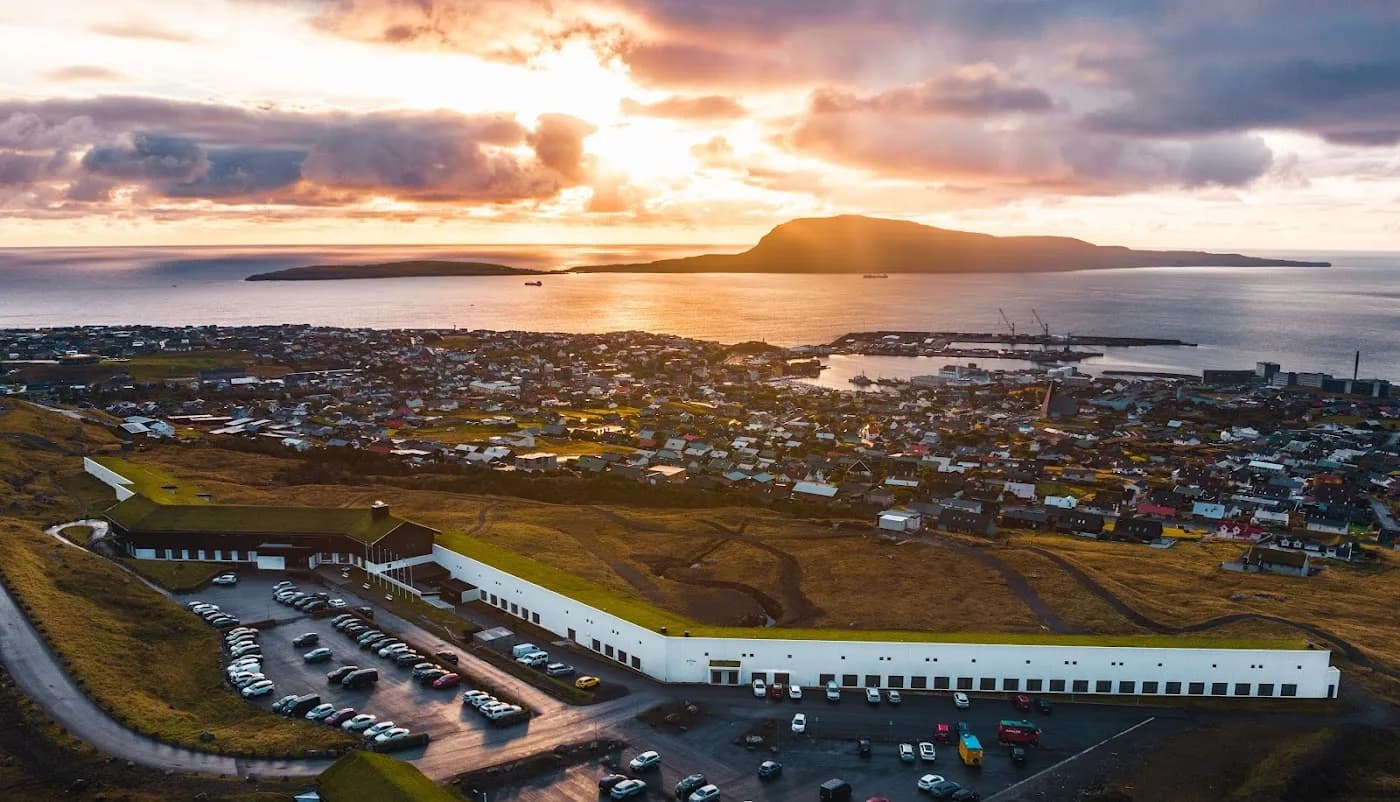
Hotel Føroyar
faroe islands, faroe islands
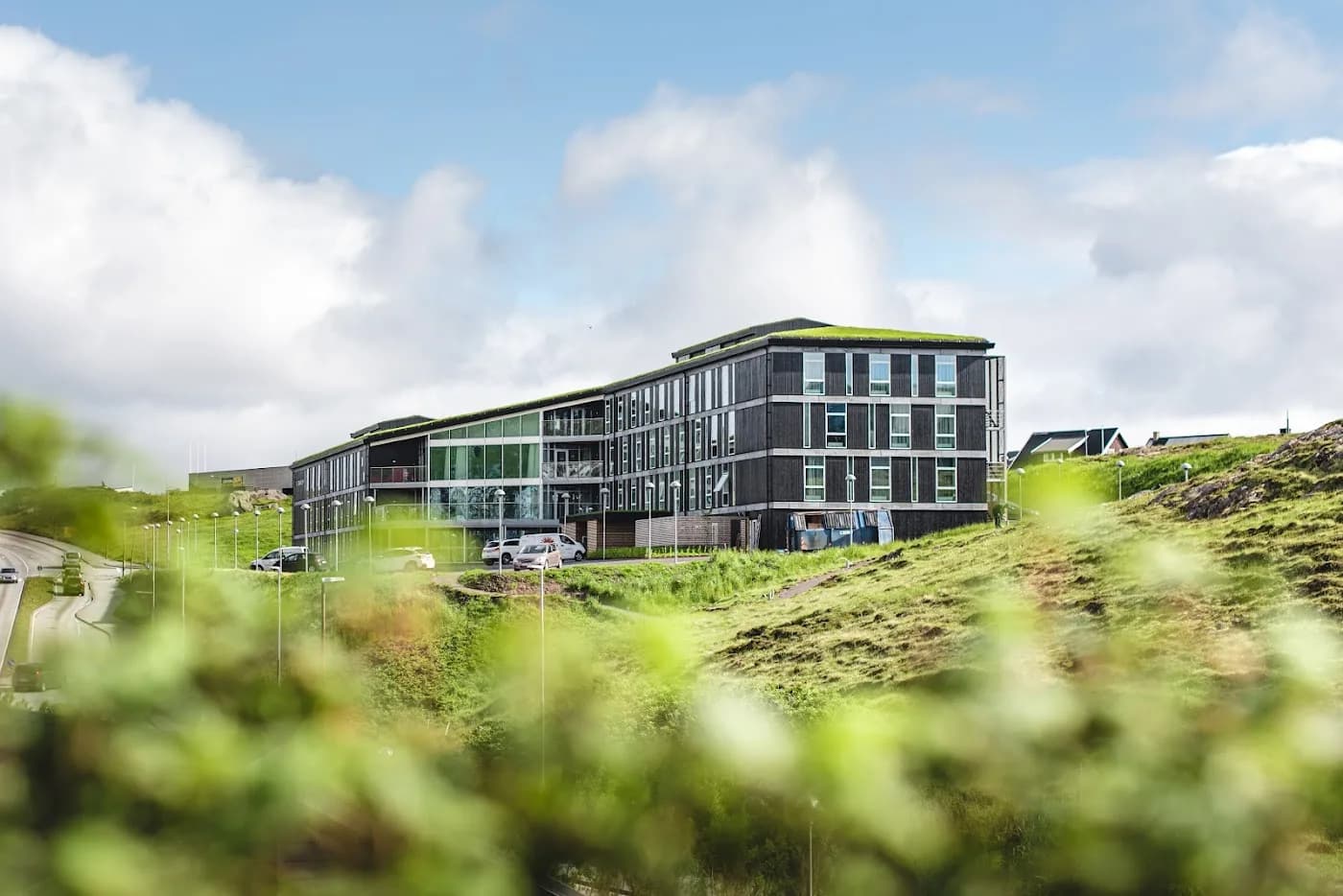
Hotel Brandan
faroe islands, faroe islands
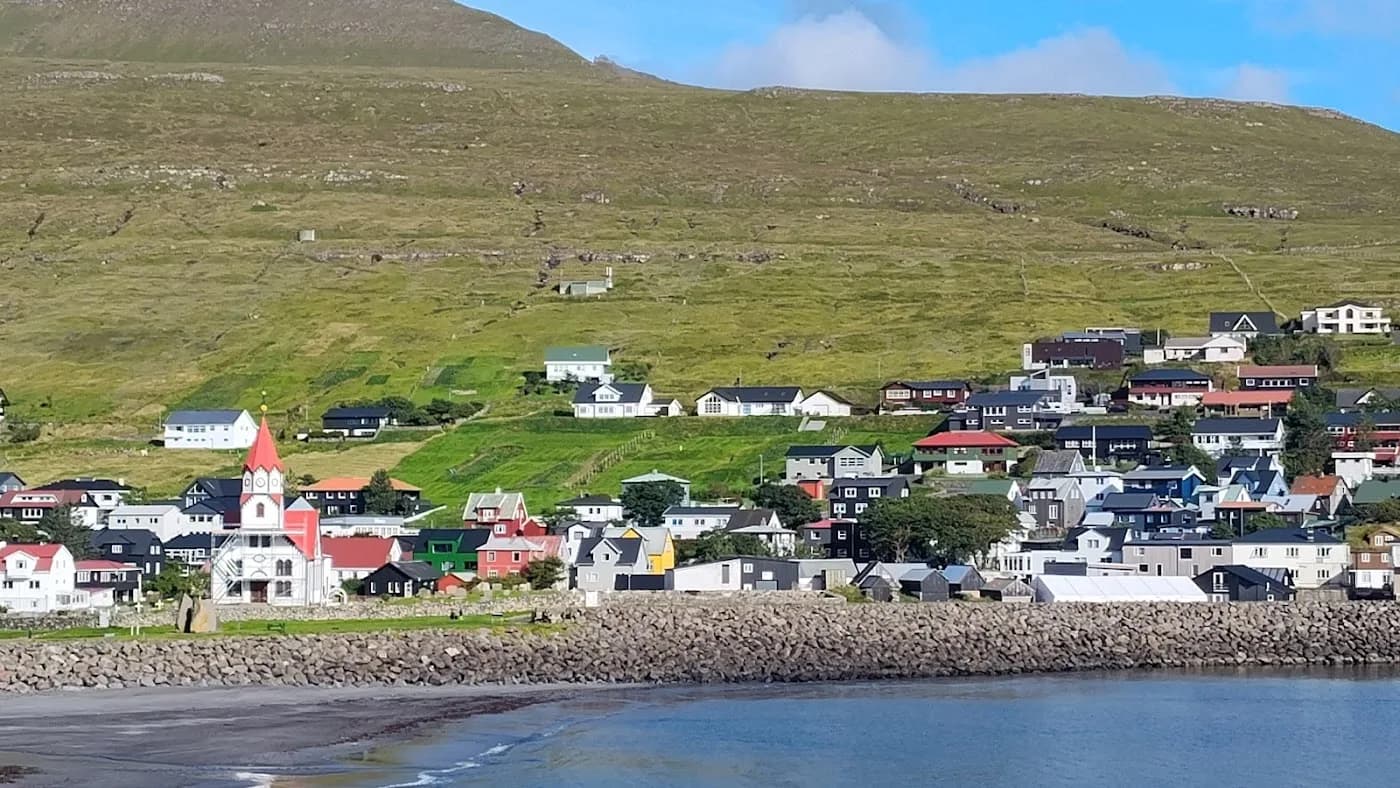
Gjáargarður Guesthouse
faroe islands, faroe islands
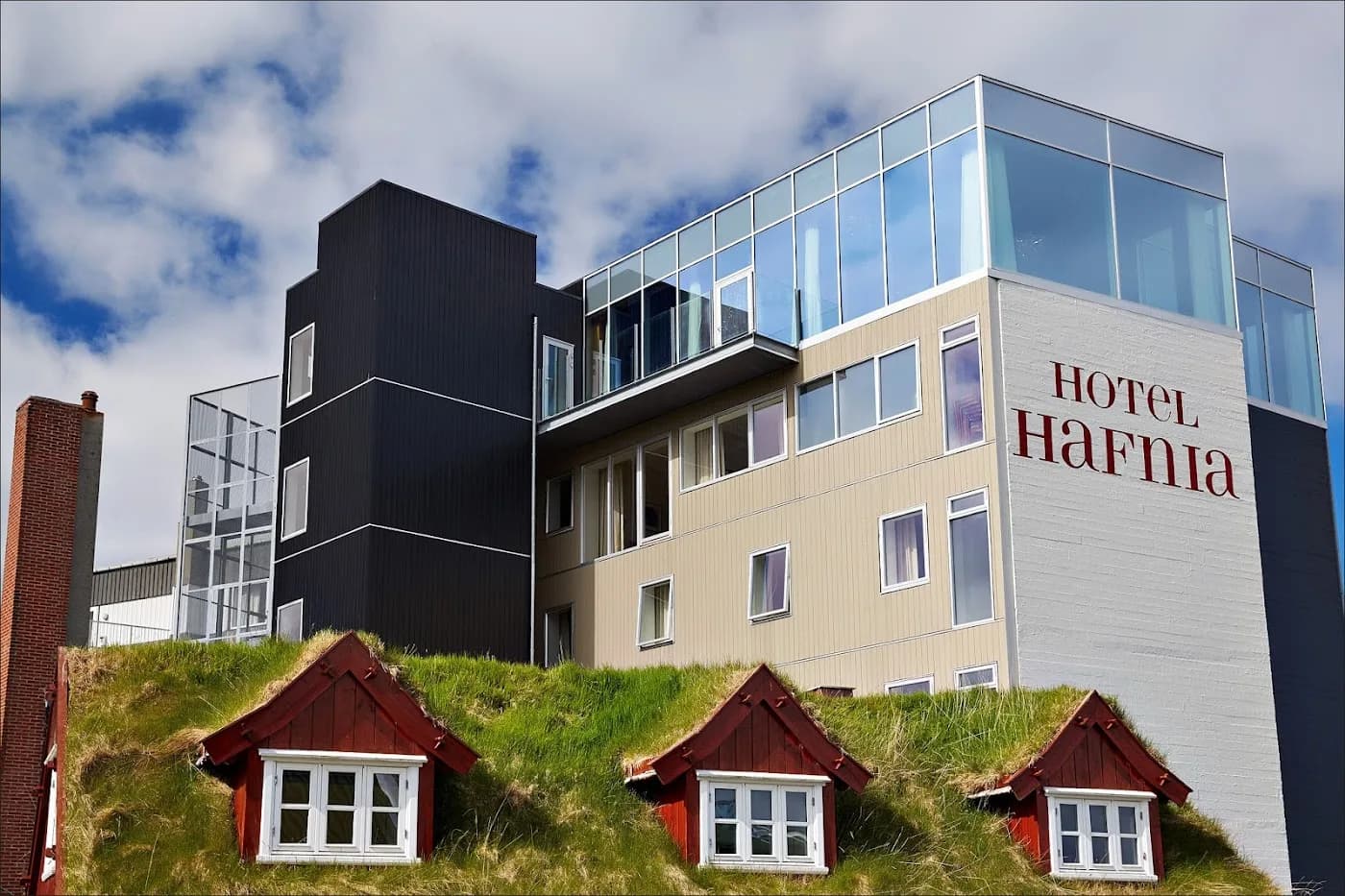
Hotel Hafnia
faroe islands, faroe islands
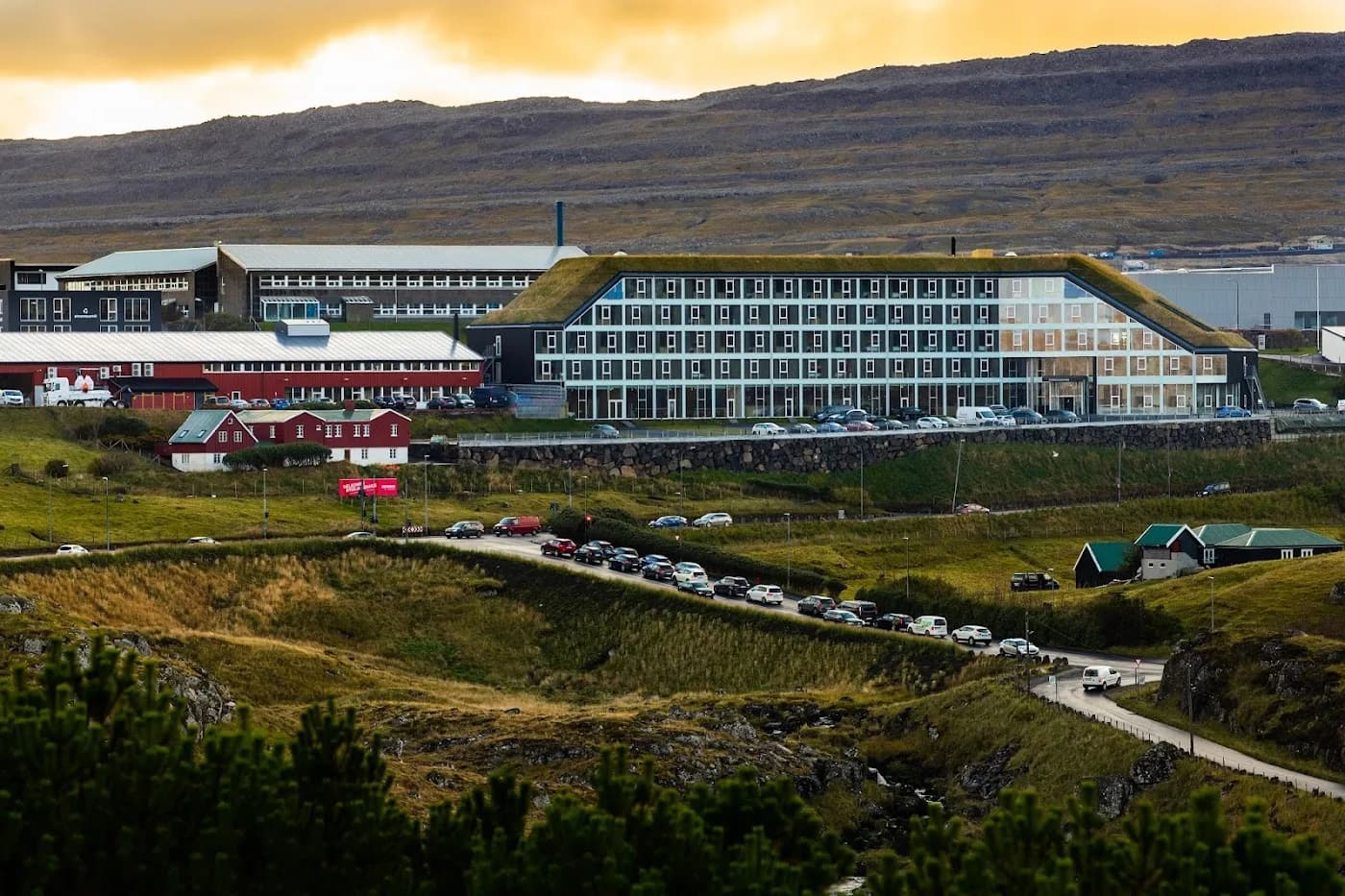
Hilton Garden Inn Faroe Islands
faroe islands, faroe islands

Hotel Vágar
faroe islands, faroe islands
Map
Hotels in Faroe Islands
Flights to Faroe Islands
We compare Kiwi, Aviasales and 700+ airlines — no extra cost for you.
✈ Best price guaranteed by Kiwi.com — no booking fees added.
Why Here for Your Honeymoon
The Faroe Islands are an 18-island Danish autonomous archipelago in the North Atlantic, roughly halfway between Scotland and Iceland, where 54,000 people live among basalt cliffs, grass-roof houses, and one of the densest concentrations of dramatic landscape per square kilometre on earth. The country has, in the last decade, quietly built itself into adventure travel's last secret — no cruise ships of consequence, no day-trippers, no mass-tourism infrastructure — while building one of Europe's most decorated dining scenes (two-Michelin-starred Koks is the world's most remote two-star restaurant). The signature images — the cliff-dropping Mulafossur waterfall at Gásadalur, the lake-above-the-ocean optical illusion at Sørvágsvatn, the grass-roof tidal-lagoon hamlet of Saksun, the puffin colonies of Mykines — are now Instagram-famous, but the country itself remains genuinely uncrowded because access is gated by a single small airport at Vágar (FAE) where flights are routinely grounded by weather. The luxury accommodation scene is small but punching above its weight (Hotel Føroyar with its panoramic harbour view, design-led Hotel Brandan, the new Hilton Garden Inn, and the remote village guesthouse Gjáargarður), and every island is connected by subsea tunnels — including the world's only underwater roundabout. For honeymoon couples whose definition of romance involves windswept basalt cliffs over warm beaches, fermented lamb over pasta dinners, and the certainty that no one else they know has been there, the Faroe Islands are Europe's defining anti-mass-tourism honeymoon.
At a Glance
Is This Right for You?
Faroe Islands for Honeymooners
Perfect for you if…
- 1Adventure honeymooners who define romance through landscape rather than beach
- 2Dark-horse destination seekers who want a country no one else they know has been to
- 3Photographers — every 20 minutes of driving reveals a new compositional masterpiece
- 4Hikers — accessible coastal trails from gentle (Sørvágsvatn) to spectacular (Drangarnir)
- 5Anti-mass-tourism mindsets — no cruise ships, no big resorts, 54,000-person country
Skip it if…
- 1Beach or sun is part of your honeymoon expectation — Faroes summer averages 11°C
- 2Party scene matters — Tórshavn nightlife is two bars and Friday-night drinking in homes
- 3Ultra-luxury cocoon is the goal — the country has no 5-star resort or proper spa hotel
- 4You love a big-resort scene with multiple restaurants, casino, and entertainment
- 5Easy access is a must — Vágar flights are weather-grounded frequently year-round
What to Do
Top 5 Romantic Experiences in Faroe Islands
Mulafossur Waterfall at Gásadalur
The country's defining image — a 30-metre waterfall dropping directly off the cliff into the open North Atlantic, framed by the tiny grass-roof village of Gásadalur (population 18). The walk from the village to the iconic viewpoint takes 15 minutes; the path is gentle and accessible in any weather above storm-force. Until a road tunnel opened in 2004, Gásadalur was reachable only by a 400-metre climb over the mountain pass, which made it one of Europe's most isolated inhabited places.
Afternoon and golden-hour light are the best for the iconic photo — the waterfall faces west. Sunset in June and July (around 11:30 PM) is the headline shot. Allow 45 minutes at the viewpoint to catch the changing light.
Sørvágsvatn — the Lake Above the Ocean
The country's most-photographed landscape — an optical illusion where Sørvágsvatn lake appears to hover dramatically high above the Atlantic Ocean (despite actually sitting just 30 metres above sea level). The 90-minute return hike from Miðvágur is gentle and well-marked; the trick is to walk past the obvious viewpoint to the Trælanípan cliff edge, where the perspective effect peaks. The illusion only works from one specific angle.
Walk to Trælanípan cliff for the perspective shot, not the closer viewpoint. The dramatic illusion only appears when the photo is taken from the cliff edge looking back over the lake toward the ocean.
Saksun Grass-Roof Village
The country's most picturesque settlement — 14 grass-roof houses, a 17th-century turf-church, and a tidal lagoon that empties to a black-sand beach reachable on foot at low tide. The 1-hour clifftop walk across the headland to Tjørnuvík village (with its view of the Risin og Kellingin sea stacks) is one of the great short hikes in Europe and the country's defining coastal walking experience.
Check the tide chart before you go — the black-sand beach is only accessible 2 hours either side of low tide. The 1-hour walk to Tjørnuvík is the signature add-on and well worth the day.
Mykines Puffin Colony (Jun-Aug)
Faroe's only mainland-accessible puffin colony — around 500,000 breeding birds occupy the cliffs and grass-banks of Mykines island, the country's westernmost. The 2-hour cross-island hike to the lighthouse passes through the densest burrow areas; in late June and July the chicks (pufflings) hatch and parents make 4-5 fishing trips per day, returning with fish hanging from their beaks. The ferry from Sørvágur runs May 1 to August 31 only and has a strict 150-passenger daily cap.
Book the ferry six months ahead — the 150-passenger cap means summer dates sell out by January. Take the early ferry (10:20 AM); the afternoon sailing returns too quickly to do the lighthouse hike.
Drangarnir Sea Stack Hike
The country's most spectacular coastal walk — a 6-hour intermediate-grade hike along the cliffs west of Sørvágur to the dramatic free-standing Drangarnir sea stack, with the giant Tindhólmur island looming behind. The hike is guided-only by a Faroese cooperative arrangement (private landowner permission required), with two operators running daily walks May to October. The final viewpoint is the most photogenic spot in the country.
Book through Reika Adventures or Hiking.fo — both are licensed by the landowner cooperative. Bring proper boots, waterproof shell, and plenty of water; the trail is exposed and the weather changes every 20 minutes.
When to Go
Faroe Islands Month by Month
What You'll Pay
Budget Guide for Faroe Islands
Three- and four-star Tórshavn hotels (Hafnia, Hilton Garden Inn, Hotel Vágar) or the family-run remote-village guesthouse Gjáargarður in Gjógv. Breakfast included; rooms simple and well-kept.
Top-floor harbour-view suites at the country's best hotels — Hotel Føroyar's panoramic harbour Junior Suite, Hotel Brandan's designer Brandan Suite, top-floor Hafnia corner suite.
Limited inventory — corner Brandan Suite, Hotel Føroyar's top-tier suites, or a private-guide Faroese photography week including Drangarnir and Mykines escorts. The country has no proper 5-star resort.
Where to Stay
Areas of Faroe Islands for Honeymooners
Tórshavn
Capital base, restaurants, design shopping, central tunnel hubThe world's smallest capital (population 22,000) and the natural base for honeymoon couples. Tinganes — the red turf-roof government quarter — is the world's oldest continuously functioning parliament site (825 AD). Best dining (Áarstova, Barbara, Ræst, Etika), best hotels (Føroyar, Brandan, Hafnia, Hilton), and central access to the subsea tunnel network connecting 18 islands. 4-5 nights minimum.
Vágar (Airport island)
Mulafossur, Sørvágsvatn, Mykines ferry departure, airport convenienceThe westernmost main island with Vágar airport (FAE), the iconic Mulafossur waterfall at Gásadalur, Sørvágsvatn lake, the village of Bøur, and the Mykines ferry from Sørvágur. Hotel Vágar in Sandavágur is the only proper hotel — best for couples spending most of their week on Vágar island's sights.
Eysturoy (Gjógv village)
Remote-village stay, natural sea-gorge, Slættaratindur mountainThe second-largest island, connected to Streymoy by both the Streymin Bridge ("the only bridge over the Atlantic") and the Eysturoyartunnilin subsea tunnel with the world's only underwater roundabout. The village of Gjógv on the north coast — a natural sea-gorge cut through basalt cliffs, 38 inhabitants, family-run Gjáargarður Guesthouse — is the country's defining remote-stay address.
Mykines and Nólsoy outer islands
Puffin colony (Mykines May-Aug), birdwatching, day-trip ferriesTwo of the outer islands accessible by ferry from Vágar and Tórshavn respectively. Mykines (puffin colony, May-August only) is the country's defining wildlife day-trip; Nólsoy (just 20 minutes by ferry from Tórshavn) has the world's largest European storm-petrel colony and a small village walk. Both are day trips, not overnight bases.
Compare
Top 3 Hotels Side by Side
| hotel | Score | Price/night | Adults-Only | Spa | Beach |
|---|---|---|---|---|---|
| Hotel FøroyarTop Pick | 86 | $240+ | — | — | — |
| Hotel Brandan | 85 | $260+ | — | — | — |
| Gjáargarður Guesthouse | 84 | $185+ | — | — | — |
Expert Advice
Insider Tips for Your Faroe Islands Honeymoon
Renting a 4WD is mandatory — book at time of room reservation
The Faroes have around 250 rental cars total in the country and they sell out months ahead for July-August. Without a car, the subsea tunnel network and all 18 islands are essentially inaccessible (there is no scheduled bus to Gásadalur, Saksun, or most villages). Book your 4WD at the same moment you book your hotel; 62N, Avis, and Sixt are the main operators. Budget €100-180/day; tunnel tolls are €13-25 per pass.
Book the Mykines ferry 6 months ahead for summer
The puffin colony at Mykines is a daily 150-passenger cap from May 1 to August 31. Summer dates sell out by January-February. Book through ssl.fo at the moment you book your hotel. Take the early ferry (10:20 AM) — the afternoon sailing returns too quickly to do the lighthouse hike. The colony is fully closed September through April; Drangarnir hike is the off-season substitute.
Heimablídni "home dinner" is the country's most authentic dining experience
Heimablídni (literally "home hospitality") is a Faroese tradition where local families host visitors for a multi-course home dinner — typically Faroese lamb stew, fermented fish (ræst), rhubarb tart, and stories about island life — in their own dining room. Around 30 families across the islands run heimablídni evenings; book through Visit Faroe Islands (visitfaroeislands.com) at least one month ahead. This is the trip's single most cultural-immersive experience and a defining honeymoon evening.
Weather changes every 20 minutes — always have a Plan B day
Faroese weather is genuinely unpredictable. A clear morning at Mulafossur can turn to driving rain by lunchtime; a forecast for storms can deliver still sunshine. Always have an indoor or short-drive backup for any planned day (Tinganes walking tour, Brandan hotel lunch, the National Museum in Tórshavn, design shopping). Most importantly, build a 24-hour buffer day at either end of your trip — flights to and from Vágar are routinely cancelled due to fog and crosswinds.
Cash is rare — 1 ATM per village, cards everywhere
The Faroes are nearly cashless — credit and debit cards (Visa, Mastercard) are accepted at every hotel, restaurant, café, ferry, and farm-access fee gate. ATMs exist only in Tórshavn (4), Klaksvík (2), and one each in the larger villages; remote settlements (Saksun, Gásadalur, Gjógv) have no ATM. The Faroese krónur (DKK; the Faroes use Danish currency but issue their own banknotes) is interchangeable 1:1 with Danish krónur. Carry €100 cash for the rare farm-fee booth or village heimablídni; everything else is card.
What to Pack
Packing List for Faroe Islands
Food & Drink
What You'll Eat in Faroe Islands
Skerpikjøt (the country's signature dish — wind-dried, salt-cured lamb hung in open-air sheds called hjallur for 5-9 months; pungent, intense, sliced paper-thin); ræst fish (Atlantic cod or haddock hung to ferment for 6-8 weeks; the smell is intense, the taste is umami-rich and beloved nationally); ræst lamb (lamb fermented for several weeks before cooking; the country's defining home-dinner dish); fish soup (creamy, served everywhere from village cafés to fine-dining); fresh Atlantic langoustine and king crab (caught in Faroese waters); Faroese rhubarb (which thrives in the cool damp climate and appears in tarts, jams, and ice creams across the country); Klaksvík beer (the local craft lager from Föroya Bjór brewery in Klaksvík since 1888); fresh oysters and mussels from the fjords. The fine-dining scene is led by Koks (two Michelin stars, Faroe-only ingredients, world's most remote two-star restaurant), Roks at Hotel Brandan (Koks-team bistro), Áarstova (the country's defining 700-year-old slow-roast lamb recipe in a 17th-century Tórshavn house), Barbara fish restaurant, Ræst (fermented-food specialist), and Etika sushi (Atlantic-caught).
Practical Guide
Getting to Faroe Islands
Getting There
Vágar Airport (FAE) is the only entry point — a small single-runway airport on Vágar island, 50 minutes' drive west of Tórshavn through the Vágatunnilin subsea tunnel. The national carrier Atlantic Airways operates daily flights from Copenhagen (CPH, 2 hours) year-round, plus seasonal services from Edinburgh (EDI, 1h 15min, May-October), Bergen (BGO, 1h 30min), Reykjavík (KEF, 1h 30min, weekly summer), Paris (CDG, summer), and Mallorca (PMI, summer). SAS also operates Copenhagen-Vágar daily. From London, the easiest route is via Copenhagen (2.5 hours total). Flights are routinely cancelled in fog and crosswinds — build a 24-hour buffer day at either end of any trip, and ideally a Copenhagen overnight on the way out to absorb any onward cancellation.
Where to Stay
For honeymoon couples, the natural base is Tórshavn for 4-5 nights at Hotel Føroyar (panoramic harbour view), Hotel Brandan (design-led), or Hotel Hafnia (most central). Add 2-3 nights at the remote village guesthouse Gjáargarður in Gjógv for the authentic 38-person village experience, or 2 nights at Hotel Vágar near the airport if Mulafossur and Mykines are the trip's focus. The "split week" pattern — Tórshavn first half, Gjógv second half — is the country's best honeymoon itinerary template.
When to Go
June through August is peak — midnight sun (22-24 hours of daylight in June), warmest temperatures (10-14°C), the Mykines puffin colony in full breeding, green grass-roof villages at their most photogenic, and accessible hiking on all trails. May and September are excellent shoulder months with dramatic light and lower prices. April and October are shoulder-of-shoulder — fewer rooms open, more weather risk, but real value. November through March is genuinely difficult — short days (5-7 hours of daylight), storm-grounded flights, many restaurants closed. Travel in the dark months only if winter weather is part of the appeal.
Browse by Experience
Experiences in Faroe Islands
Northern lights
You might also love
If Faroe Islands caught your heart, these honeymoon destinations hit the same notes.
Topic cocoon
Plan your honeymoon around this
Use these pillar guides to lock in season, budget, and trip style.
By season
Trip types
Planning guides
Sister sites
Other angles on Faroe Islands
Same destination, different lens. Our sister publications cover Faroe Islands from angles a honeymoon guide cannot.
- The Faroe Islands on screen · screentotrip.com
The Northman, several Nordic noir series. The set-jetting angle.