By Style
Honeymoon for adventure seekers: destinations and hotels that actually fit
Adventure honeymoons get a bad name from the generic version — Costa Rica zip-line in the morning, couples-massage in the afternoon, repeated for five days. The real adventure honeymoon trades that template for a genuine wilderness paired with a single extraordinary lodge as base. You wake up at altitude, in the bush, or facing a glacier; you do one real thing each day; and you come back to a property that knows what you just did and cooks dinner accordingly. The five regions below qualify. Each one centres on a lodge where the helicopter, the guide, and the dinner are pieces of the same operation. Skip the resorts that bolt 'adventure' onto a beach product — Costa Rica's all-inclusives, Bali's spa packages, the Maldives' 'ocean adventure' programmes. They're the wrong shape for couples who actually want to be tired in a good way every night.
In short
Editorial bias: the adventure honeymoon hotel is a lodge, not a resort. It has 12 to 30 rooms, it owns or controls the experience (Awasi's private guide + vehicle per couple, Deplar Farm's heli-ski operation, Singita's exclusive-use concession), and the staff has done the activity you're about to do.
The editorial angle
Editorial bias: the adventure honeymoon hotel is a lodge, not a resort. It has 12 to 30 rooms, it owns or controls the experience (Awasi's private guide + vehicle per couple, Deplar Farm's heli-ski operation, Singita's exclusive-use concession), and the staff has done the activity you're about to do. We avoid mid-tier 'eco-adventure' brands that mostly market the word and outsource the experience. We avoid combining adventure with spa-only resorts (it sounds balanced; it actually means a half-rate version of both). The right adventure lodge is the one where the guide eats with you at dinner.
The 6 hotels that fit
Picked from our catalogue for the specific traits that matter to adventure seekers.
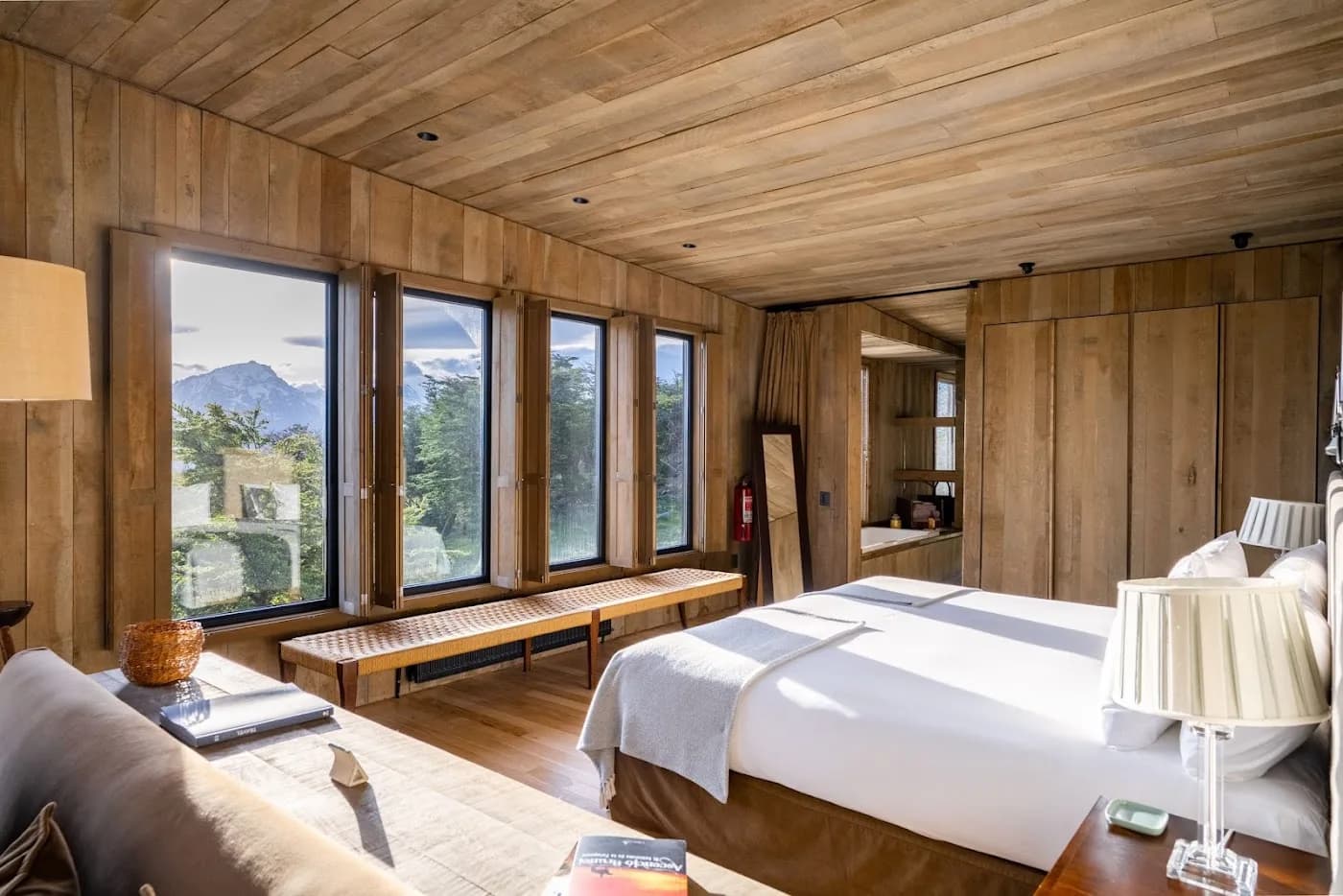
Awasi Patagonia
patagonia chile, chile · 5★
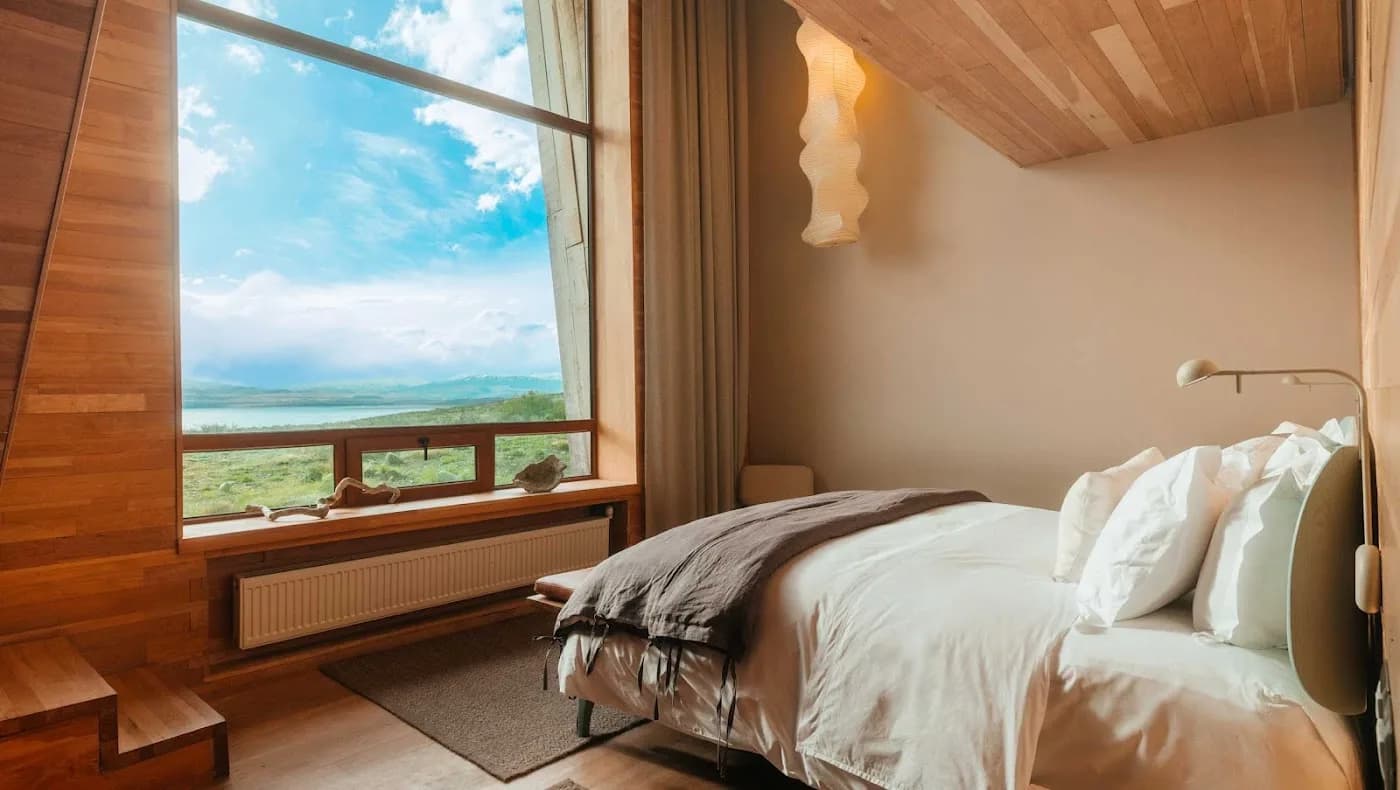
Tierra Patagonia
patagonia chile, chile · 5★
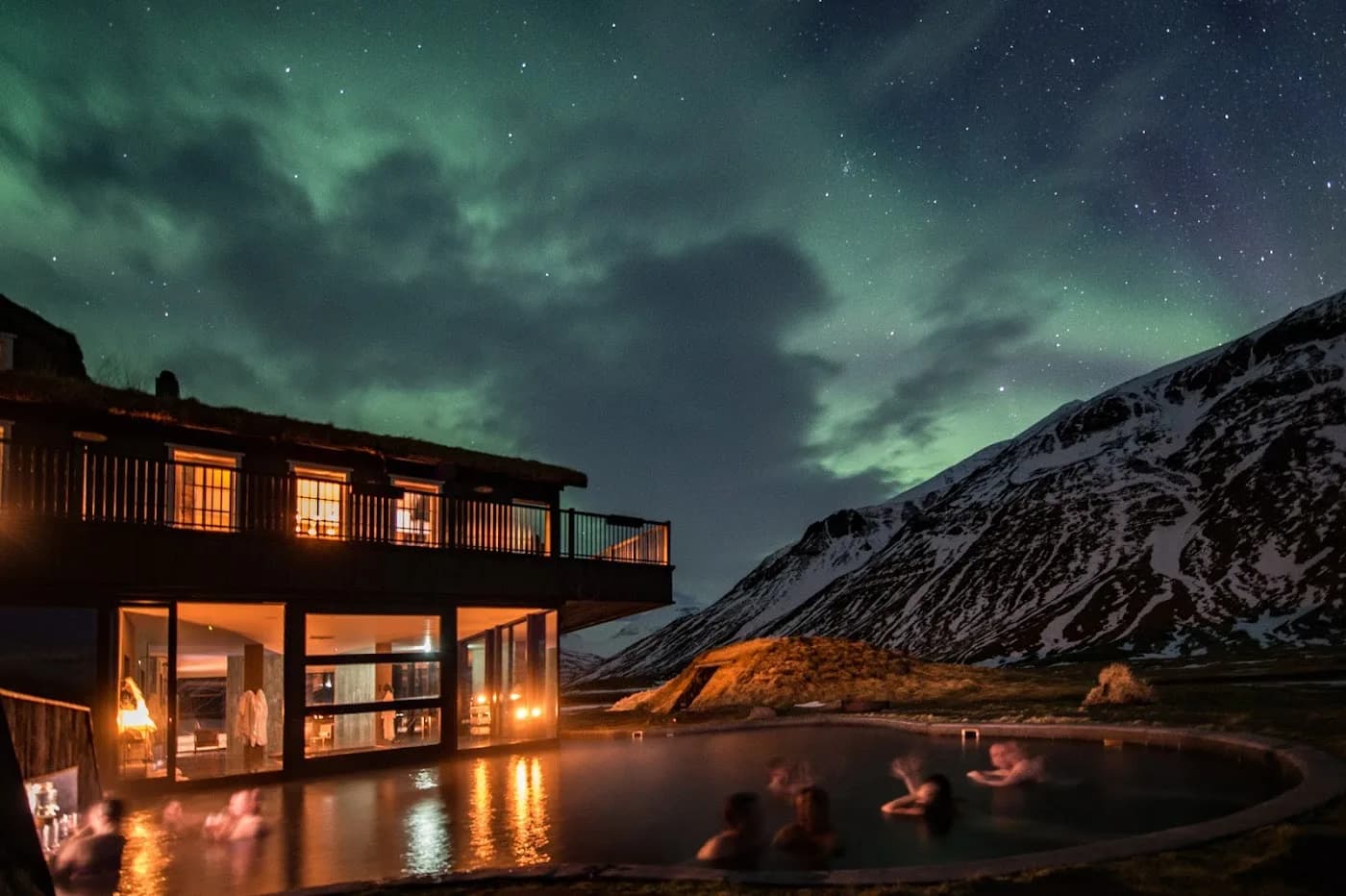
Deplar Farm Fljót Valley
iceland, iceland · 5★
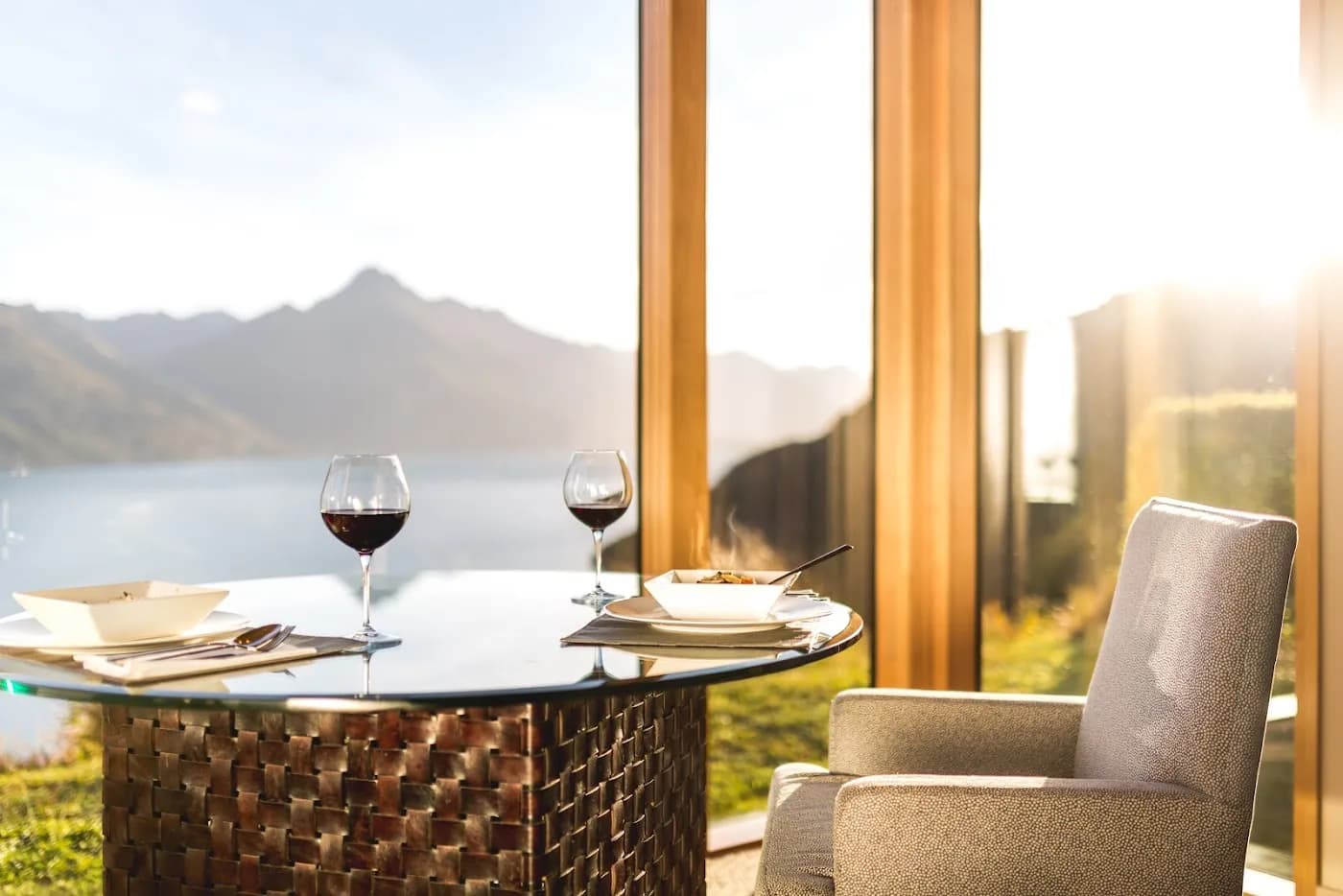
Azur Lodge
new zealand, new zealand · 5★
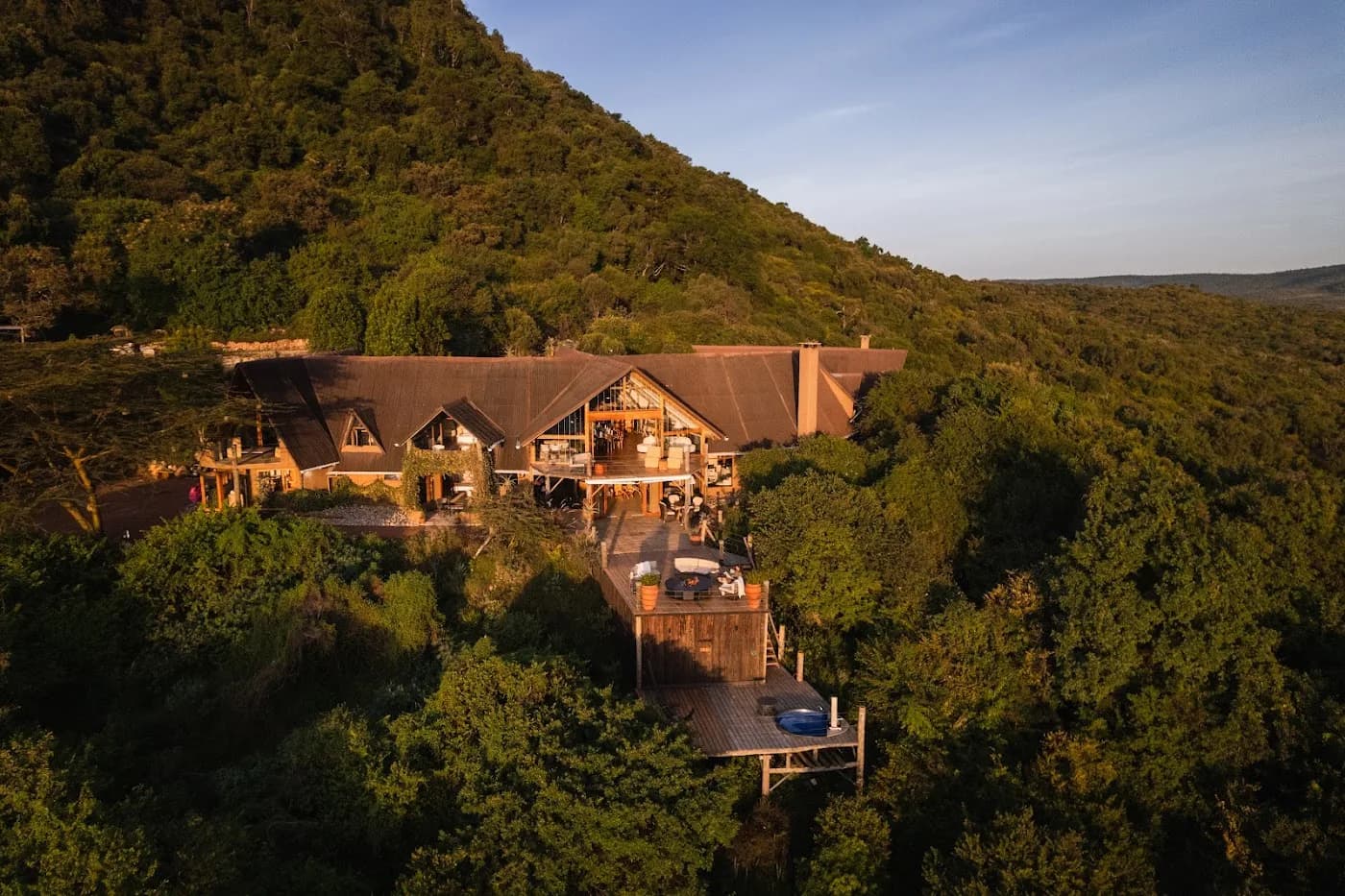
Cottar's 1920s Safari Camp
kenya, kenya · 5★
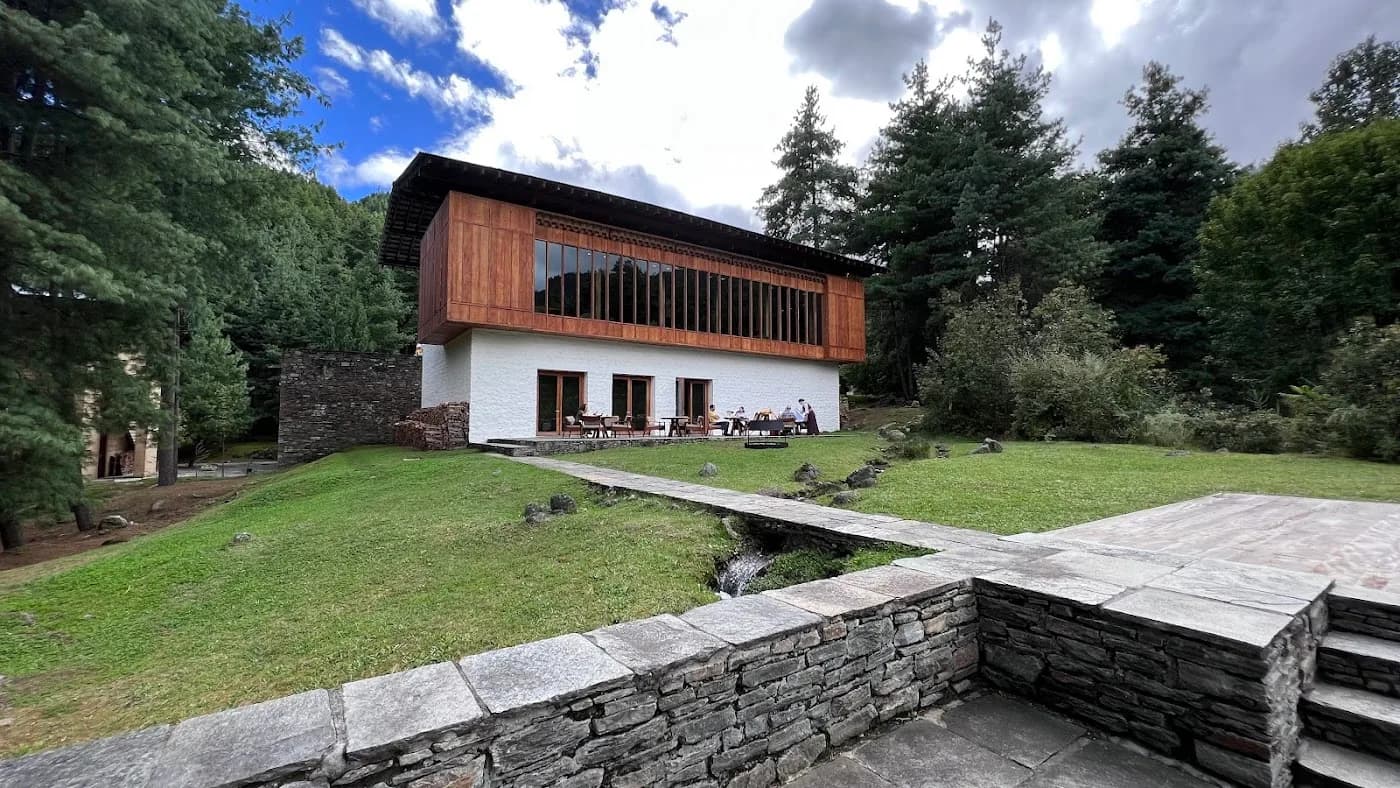
Amankora Paro
bhutan, bhutan · 5★
Destination patterns that work
Patagonia — the trekking base case
Awasi Patagonia gives each couple a private guide and 4x4 for the full stay — the entire property is built around your itinerary, not the other way round. Days run between Torres del Paine's iconic trails (Mirador Las Torres, Grey Glacier, French Valley) and the kitchen team's evening debrief. Tierra Patagonia is the slightly larger sibling; equally serious about the hiking, with a spa to handle the recovery. February-March is the sweet spot — long daylight, less wind, the park open in full.
Iceland — the helicopter and glacier honeymoon
Deplar Farm in the Fljót Valley is the rare lodge built around heli-skiing in winter and heli-fishing/hiking in summer. The honeymoon version is March-April for the still-frozen northern fjords with snow on the ground but daylight back. The Eleven Experience model puts the helicopter in the operating budget — fly out to a private glacier in the morning, fly back to a geothermal spa under the stars. Pair with 2 nights in Reykjavík at the Edition for the urban book-end.
New Zealand — the heli-hike and Milford honeymoon
Azur Lodge above Queenstown is a 9-villa property with helipads and the right concierge for couples who want Milford Sound by water, Mount Cook by air, and Franz Josef by foot — all within a 5-day window. Eichardt's Private Hotel in town is the post-adventure decompression. New Zealand's underrated adventure honeymoon advantage: world-class wine country (Central Otago Pinot Noir) within an hour of all the action.
Kenya and Bhutan — the cultural-adventure variants
Cottar's 1920s Safari Camp in the Maasai Mara is the most romantic of the great Kenya camps — six tents, private guide programmes, walking safaris that are unavailable at the larger lodges. Pair with 2 nights at Angama Mara on the Oloololo escarpment. Amankora's Bhutan circuit (Paro, Punakha, Gangtey, Thimphu, Bumthang) is the slow-adventure honeymoon — multi-day trekking to Tiger's Nest and the Druk Path, framed as a 5-lodge journey where the difficulty rises gradually. Couples who do Bhutan well are usually the ones who've already done a safari.
More destinations to consider
Chile's wilderness honeymoon — Torres del Paine granite, glacier hikes, all-inclusive lodges, end-of-the-world skies.
Trekking Torres del Paine, ice glacier days, Tierra or Explora lodge nights.
Explore Patagonia →Northern lights from a lava-field suite, a geothermal lagoon swim at dawn, and the most cinematic honeymoon landscape on earth.
Northern lights, glacier hikes, the Highlands. Deplar Farm raises the bar.
Explore Iceland →Middle-earth made real — fjords, alpine lakes, and lodges that redefine remote luxury
Heli-hike Franz Josef, Milford Sound kayak, Blanket Bay lodge by night.
Explore New Zealand →Pura Vida honeymoons where volcanoes, cloud forests, and two oceans meet
Arenal canopy, Osa wildlife, Nayara Tented Camp as base.
Explore Costa Rica →A turquoise glacial lake under a granite tower at Lake Louise, a Castle in the Rockies, and helicopter-to-glacier days — alpine grandeur without European prices.
Glacier helicopter, canoe on Moraine, Post Hotel's wine cellar to recover.
Explore Banff →Live prices for adventure seekers
See current rates across the destinations and properties tuned for this style.
What to skip
Skip the ultra-spa-only resorts that advertise 'adventure' on the website but deliver mostly a yoga schedule. Skip Costa Rica's mid-market all-inclusives — the wildlife is real but the lodges are not the same calibre as Patagonia or Kenya. Skip 'adventure' add-ons at beach resorts (Maldives shark snorkelling, Bora Bora paddleboarding); the activity is fine, the framing is wrong. Skip cruise-based adventure unless it's specifically Antarctica or Galapagos with the right small operator — most 'expedition' cruises now carry 200+ passengers and the experience compresses. Skip combining four destinations in 7 nights to maximise variety — you'll get a worse version of each.
The honest take
The adventure honeymoon works when the lodge is genuine, the wilderness is real, and the activity is the everyday — not a half-day excursion. Pick one region, one lodge, and let the place itself shape the rhythm. The couples who try to combine Patagonia + Atacama + Easter Island in 10 days come back exhausted; the ones who spend 7 nights at Awasi come back changed.
Related: find my hotel quiz · luxury honeymoon
Frequently asked questions
Are adventure honeymoons too physically demanding?
Depends on the destination. Patagonia and New Zealand can be paced — Awasi will design easy half-day hikes if that's what you want. Bhutan's Tiger's Nest is a half-day climb at altitude (real but doable). Kenya safari is the easiest of all: most of the 'adventure' happens from a vehicle. The lodges scale the intensity to the couple.
What's the safest adventure honeymoon for non-adventure-types?
Kenya safari with Cottar's 1920s. The wildness is genuine, the lodge is romantic, and the day-to-day demand on the body is low. It is the gateway adventure honeymoon — the one couples do before Patagonia.
Helicopter travel — worth it on this kind of trip?
At Deplar Farm and on the Mount Cook day in New Zealand, yes — the heli is the experience, not a transfer convenience. At Patagonia or Kenya, mostly no — the road approach is part of the story. Budget $1,500-3,000 for a single heli day at Deplar; less elsewhere.
How long should an adventure honeymoon be?
7 nights minimum. 10 is the sweet spot. The first 2 days are decompression and acclimatisation; the meaningful activity happens days 3-8. Anything shorter and you're still adjusting to the altitude / hemisphere / cold when the trip ends.